Chapter 1 · General Knowledge · 3 questions in the paper · 15 min read
Nepal: First Persons, Geography, Government and Culture
What the syllabus asks for 4
- First persons and firsts in Nepal
- Geography of Nepal: largest, longest, highest, deepest
- Constitution, federal structure and prime ministers of Nepal
- Literature, art and Miss Nepal
About five of the ten GK-and-IT questions are general knowledge, and Nepal gets the larger share.
The Dean's Office model asked the date of the constitution (3 Ashwin 2072), the deepest river of Nepal, the first prime minister and the author of Basain.
General knowledge cannot be derived, so this chapter is a compact, dated fact base. Facts marked "as of" are current affairs: check the news in the weeks before the exam.
- Firsts: first people, first constitution, first prime ministers and presidents.
- Geography records: highest, longest, deepest, largest.
- Government: provinces, districts, local levels, parliament.
- Culture: writers and works, national symbols, heritage sites.
1.1 First persons and firsts in Nepal
| Item | Answer |
|---|---|
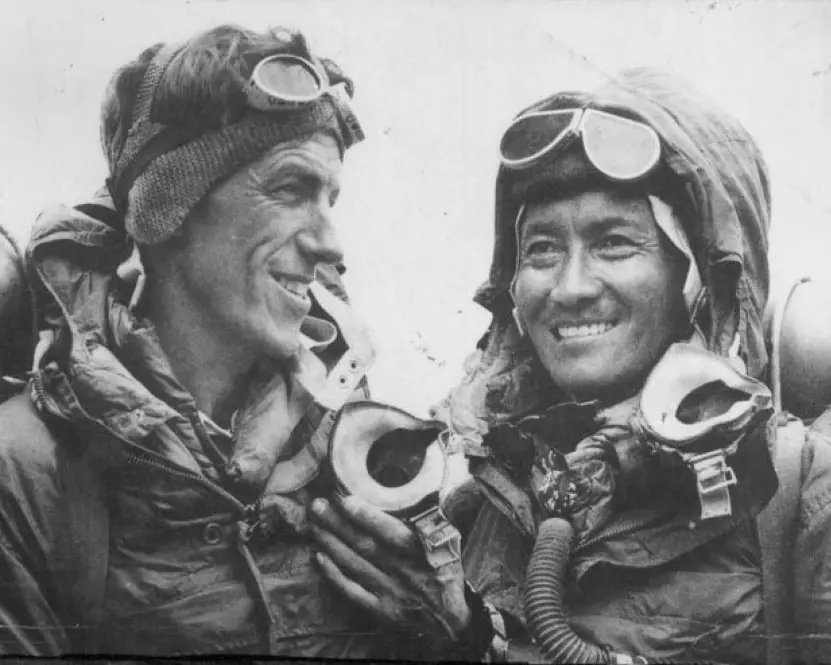
| First to climb Everest (29 May 1953) | Tenzing Norgay Sherpa with Edmund Hillary |
| First Nepali woman on Everest (1993) | Pasang Lhamu Sherpa |
| Most Everest summits (as of 17 May 2026) | Kami Rita Sherpa, 32 |
| First constitution | Nepal Sarkar Vaidhanik Kanoon, 1948 (2004 BS) |
| First president (2008) | Ram Baran Yadav |
| Second president | Bidya Devi Bhandari (2015–2023) |
| Third president (since March 2023) | Ram Chandra Paudel |
| First national park | Chitwan (1973) |
| Joined the UN | 14 December 1955 |
| First woman prime minister (interim, Sept 2025) | Sushila Karki |
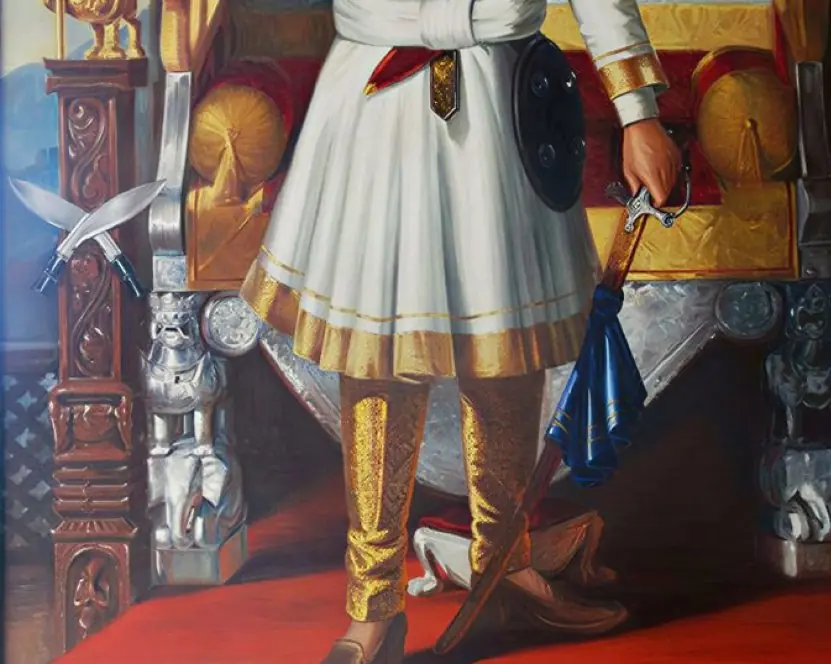
Sources differ, so read the options carefully. Bhimsen Thapa (Mukhtiyar from 1806) is widely counted as the first. Jung Bahadur Rana founded the hereditary Rana prime ministership in 1846.
Matrika Prasad Koirala was the first prime minister after the end of Rana rule in 1951. The Dean's Office model offers all three names, so a "first PM" question depends on the key the paper sets.

1.2 Geography of Nepal: largest, longest, highest, deepest
| Record | Answer |
|---|---|
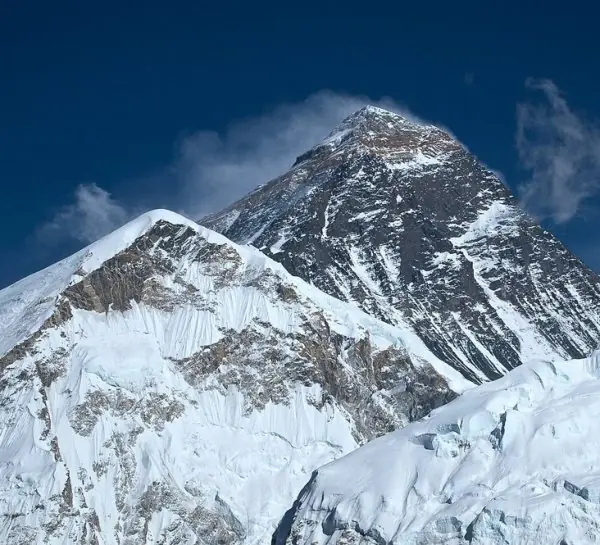
| Highest peak | Everest (Sagarmatha), 8,848.86 m (Nepal–China survey, 2020) |
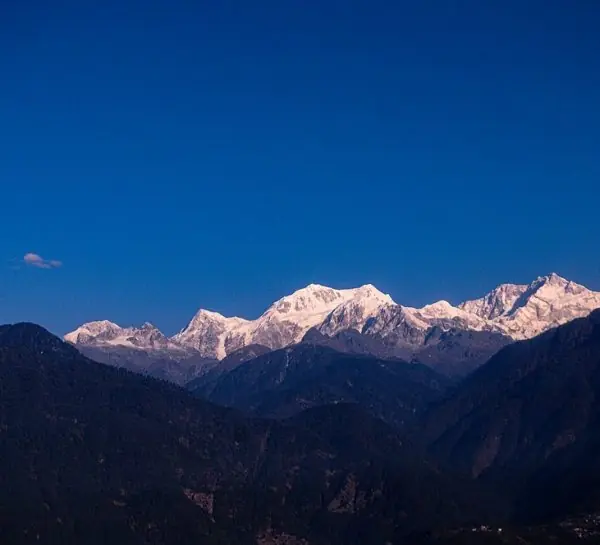
| Third highest in the world | Kanchenjunga, 8,586 m |
| Peaks above 8,000 m wholly or partly in Nepal | 8 of the world's 14 |
| Longest river in Nepal | Karnali |
| Largest river by volume | Koshi (Sapta Koshi) |
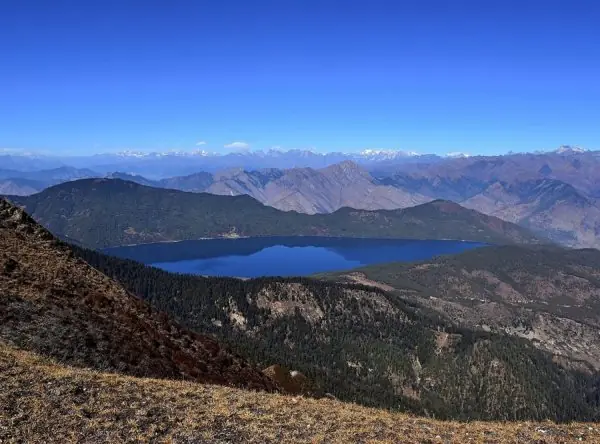
| Largest lake | Rara (Mugu) |
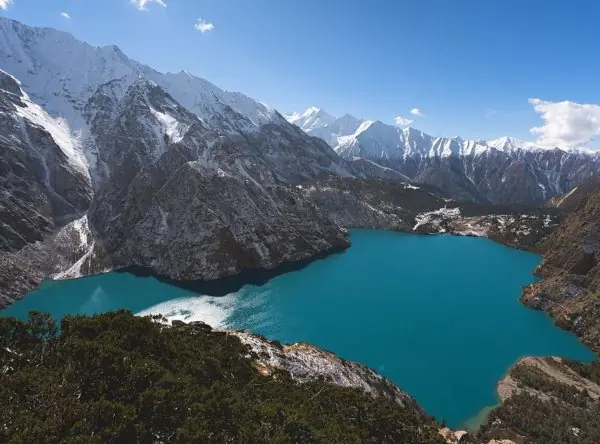
| Deepest lake | Shey Phoksundo (Dolpa), about 145 m |
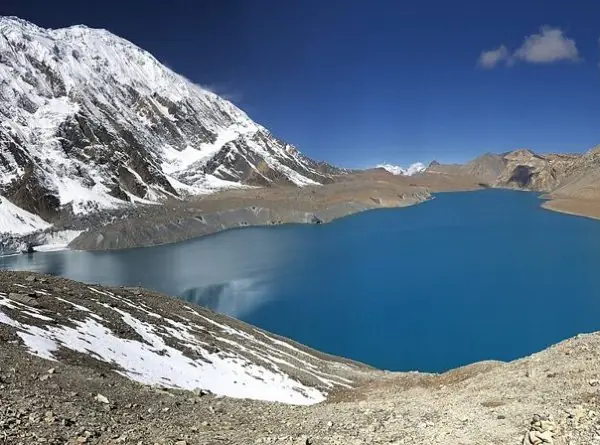
| Highest-altitude lake | Tilicho, 4,919 m |
| Lowest point | Kechana Kawal, Jhapa (about 60 m) |
| Area / population (2021 census) | 147,516 km² / 29.16 million |
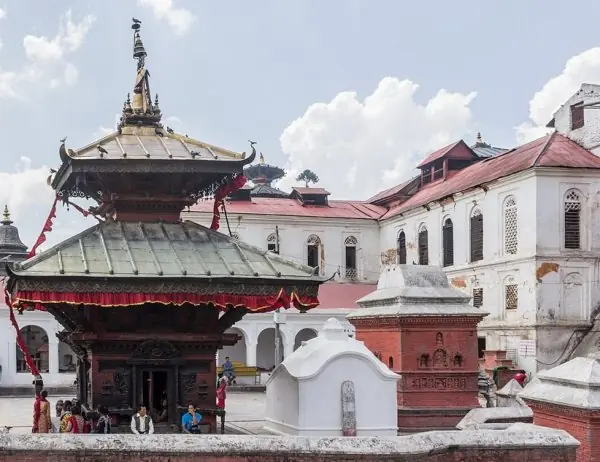
| UNESCO World Heritage Sites | 4: Kathmandu Valley, Sagarmatha NP, Chitwan NP, Lumbini |
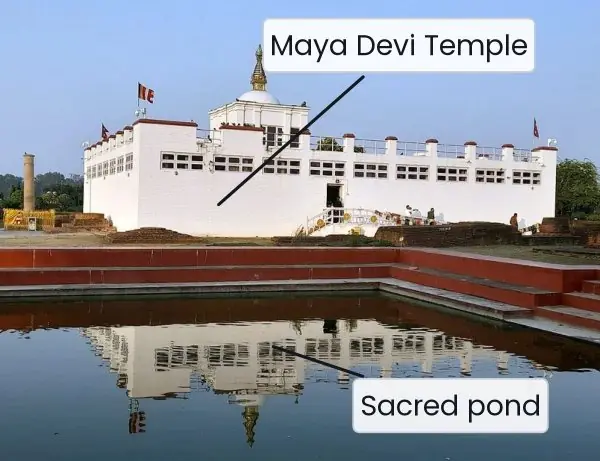
| Birthplace of Buddha | Lumbini |
Question banks often quote Karnali as both the longest and the deepest river of Nepal; Koshi carries the most water.



1.3 Constitution, federal structure and prime ministers
- Monarchy abolished and Nepal declared a republic on 15 Jestha 2065 (28 May 2008). The present constitution was promulgated on 3 Ashwin 2072 (20 September 2015). Democracy Day is 7 Falgun.
- 7 provinces, 77 districts, 753 local levels (6 metropolitan, 11 sub-metropolitan, 276 municipalities, 460 rural municipalities).
- Federal parliament: House of Representatives 275 (165 first-past-the-post + 110 proportional) and National Assembly 59.
- Provincial capitals: Koshi — Biratnagar; Madhesh — Janakpur; Bagmati — Hetauda; Gandaki — Pokhara; Lumbini — Deukhuri; Karnali — Birendranagar (Surkhet); Sudurpashchim — Godawari.
- Current affairs (as of 27 March 2026). After the September 2025 protests, Sushila Karki led an interim government. In the general election of 5 March 2026 the Rastriya Swatantra Party (RSP) won 182 of 275 seats, and Balendra Shah (aged 35) was sworn in as Prime Minister on 27 March 2026 by President Ram Chandra Paudel.


1.4 Literature, art, national symbols and Miss Nepal
| Writer | Work / title |
|---|---|
| Bhanubhakta Acharya | Aadikavi, first poet; Nepali Ramayana |
| Laxmi Prasad Devkota | Mahakavi; Muna Madan |
| Lil Bahadur Chhetri | novel Basain |
| Parijat | novel Shirishko Phool |
| Lekhnath Paudyal | Kavishiromani |
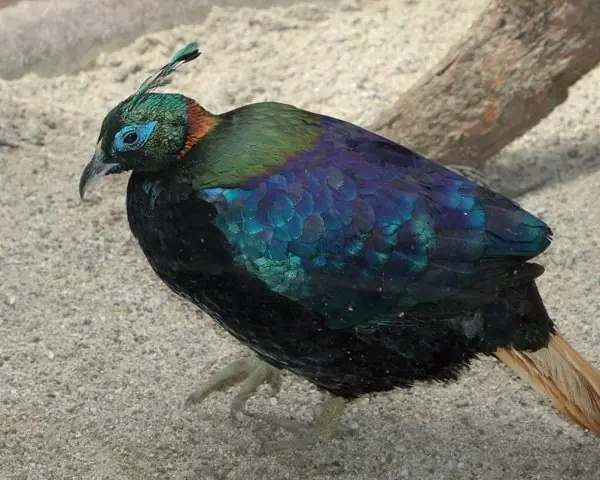
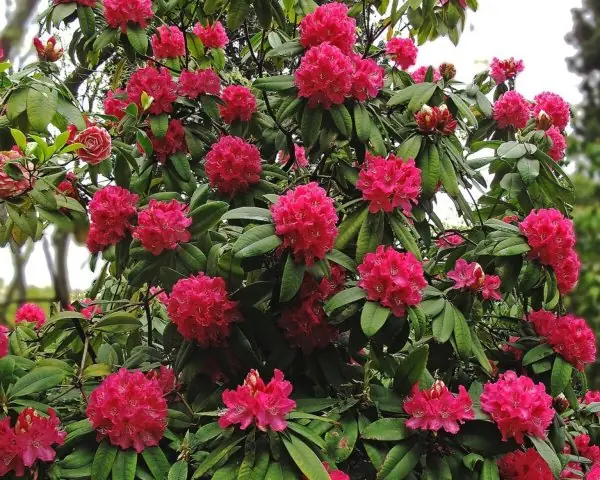
National symbols: bird — Danphe (Himalayan monal); flower — rhododendron (lali guras); animal — cow; colour — crimson. Miss Nepal winners change every year: learn the latest from the news; the books do not carry a fixed list.
1.5 Eight traps in Nepal GK questions
Most marks are lost by mixing two similar facts, not by never having seen the fact. These eight traps appear again and again in TU entrance papers and in the Dean's Office model.
- Two dates, two events. 3 Ashwin 2072 (20 September 2015) is the date of the present constitution, while 15 Jestha 2065 (28 May 2008) is the date Nepal became a republic. A question that says "republic" wants Jestha; a question that says "constitution" wants Ashwin. Write both beside each other once and you will never swap them.
- Three possible "first prime ministers". Bhimsen Thapa (Mukhtiyar from 1806), Jung Bahadur Rana (the first Rana, 1846) and Matrika Prasad Koirala (first after Rana rule, 1951) can each be called "first". Read the other options: if only one of the three names is present, choose it. If two are present, look for words such as "Rana" or "after 1951" in the stem.
- Longest is not largest. Karnali is the longest river inside Nepal, but Koshi (Sapta Koshi) carries the largest volume of water. The same pair of words appears for lakes: Rara is the largest by area, Phoksundo is the deepest, and Tilicho is the highest. Match the adjective to the record before you read the options.
- Everest has two numbers. The old figure was 8,848 m (Indian survey, 1954), and the figure agreed by Nepal and China in December 2020 is 8,848.86 m. If both appear as options, the current answer is 8,848.86 m. If only 8,848 appears, it is still the intended answer.
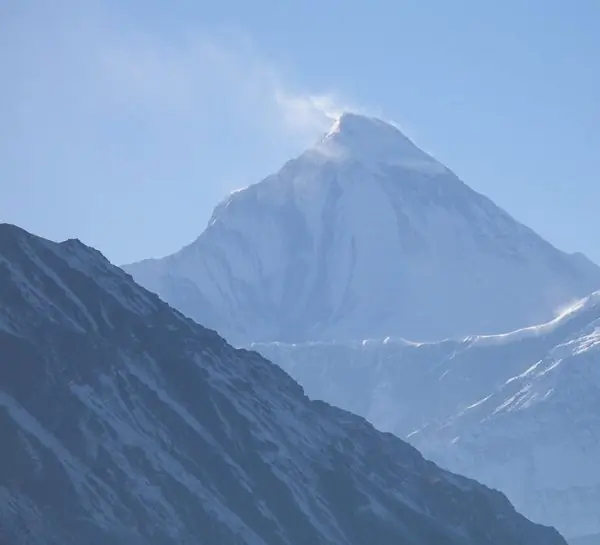
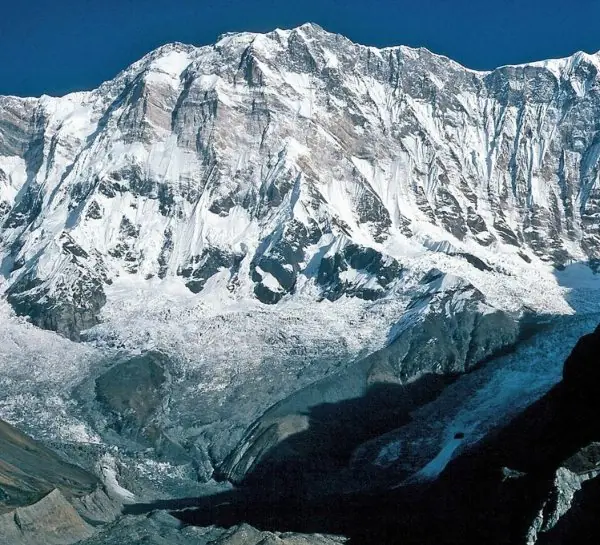
- "Eight of the 14" is wholly or partly. Nepal has eight peaks above 8,000 m wholly or partly inside its border: Everest, Kanchenjunga, Lhotse, Makalu, Cho Oyu, Dhaulagiri, Manaslu and Annapurna I. Several are shared with China (Tibet) or India (Sikkim), so a question about peaks "fully in Nepal" has a smaller answer: Dhaulagiri I, Manaslu and Annapurna I.
- Count the levels correctly. Nepal has 7 provinces, 77 districts and 753 local levels, and the House of Representatives has 275 seats, not 334 (the old Constituent Assembly had 601). Remember the sums 6 + 11 + 276 + 460 = 753 and 165 + 110 = 275. A wrong option such as 744 or 334 is a number from an older system.
- Bikram Sambat to AD. For dates from mid-April to December add 57 years to the AD year to get the BS year (2015 AD gives 2072 BS), and for January to mid-April add 56 years. Use this to check that a date is possible, for example that 2072 BS cannot be 2008 AD.
- "As of" facts expire. The record number of Everest summits, the name of the Prime Minister and the winner of an election change every few months. Check the news in the last four weeks before the exam and read the dated lines in this chapter first.
1.5.1 Worked checks: do the sum before you choose
Q. How many members of the National Assembly are elected by the provincial assemblies and local representatives? (a) 59 (b) 56 (c) 8 (d) 3
Answer: (b). The National Assembly has 8 members from each of the 7 provinces, so 8 x 7 = 56 are elected. The President nominates 3 more on the Government's recommendation, giving 56 + 3 = 59.
Option (a) is the total, option (c) is the number per province and option (d) is the nominated number: the paper often hides the right answer among its own sub-totals.
Q. Which lake is the highest in altitude? (a) Rara (b) Phewa (c) Shey Phoksundo (d) Tilicho
Answer: (d). Phewa is 742 m, Rara is 2,990 m, Phoksundo is about 3,611 m and Tilicho is 4,919 m (Fig 1.4). The adjective "highest" asks for altitude, so the answer is Tilicho.
If the stem said "largest" the answer would be Rara and if it said "deepest" it would be Shey Phoksundo.
Formula and fact sheet
| Quick facts | |
|---|---|
| Constitution | 3 Ashwin 2072 |
| Provinces / districts / local levels | 7 / 77 / 753 |
| House / National Assembly | 275 / 59 |
| Everest | 8,848.86 m |
| UN membership | 1955 |
| Longest / deepest lake / largest lake | Karnali / Phoksundo / Rara |
Chapter summary
- Constitution: 3 Ashwin 2072; republic: 15 Jestha 2065; Democracy Day: 7 Falgun.
- 7, 77, 753; 275 + 59.
- Everest 8,848.86 m; Kanchenjunga is third highest.
- Karnali is longest, Koshi largest by volume, Rara largest lake, Phoksundo deepest.
- Balendra Shah became Prime Minister on 27 March 2026.
Practice questions
Set A — Recall (20 questions)
- The present constitution of Nepal was promulgated ona2 Ashwin 2072b3 Ashwin 2072c4 Ashwin 2072d15 Jestha 2065
- The height of Mount Everest recognised by Nepal and China isa8,848 mb8,611 mc8,848.86 md8,586 m
- The number of provinces in Nepal isa7b5c6d9
- The number of districts in Nepal isa75b70c80d77
- The number of local levels in Nepal isa744b750c753d760
- The House of Representatives has how many members?a165b275c334d110
- The first President of Nepal wasaBidya Devi BhandaribRam Chandra PaudelcGirija Prasad KoiraladRam Baran Yadav
- Democracy Day in Nepal is observed ona7 Falgunb15 Jesthac3 Ashwind1 Baisakh
- Nepal became a member of the United Nations ina1945b1955c1965d1975
- The national bird of Nepal isapeacockbeaglecDanphedcrow
- The national flower of Nepal isalotusbrosecmarigolddrhododendron
- The author of Muna Madan isaLaxmi Prasad DevkotabBhanubhakta AcharyacLil Bahadur ChhetridParijat
- The Aadikavi of Nepali literature isaLaxmi Prasad DevkotabLekhnath PaudyalcBhanubhakta AcharyadSiddhicharan Shrestha
- The author of the novel Basain isaGopal Prasad RimalbRamlal JoshicLokendra Bahadur ChanddLil Bahadur Chhetri
- Along with Edmund Hillary, the first to climb Everest (1953) wasaPasang Lhamu SherpabTenzing Norgay SherpacKami Rita SherpadAppa Sherpa
- The largest lake of Nepal isaRarabPhewacBegnasdTilicho
- The first national park of Nepal isaSagarmathabLangtangcBardiyadChitwan
- The birthplace of Gautam Buddha isaJanakpurbPokharacLumbinidBhaktapur
- The number of UNESCO World Heritage Sites in Nepal isa4b2c6d10
- Nepal Rastra Bank is Nepal'salargest commercial bankbcentral bankcstock exchangedinsurance board
Answers and explanations — Set A
1. (b) — 3 Ashwin 2072 (20 September 2015).
2. (c) — announced in December 2020 after a joint survey.
3. (a) — seven provinces.
4. (d) — 77 districts.
5. (c) — 753 local levels.
6. (b) — 275 (165 FPTP + 110 PR).
7. (d) — Ram Baran Yadav, 2008.
8. (a) — 7 Falgun marks the end of Rana rule (1951).
9. (b) — 14 December 1955.
10. (c) — Danphe, the Himalayan monal.
11. (d) — rhododendron (lali guras).
12. (a) — Laxmi Prasad Devkota.
13. (c) — Bhanubhakta Acharya.
14. (d) — Lil Bahadur Chhetri.
15. (b) — Tenzing Norgay, 29 May 1953.
16. (a) — Rara Lake in Mugu.
17. (d) — Chitwan, established in 1973.
18. (c) — Lumbini, a UNESCO World Heritage Site.
19. (a) — Kathmandu Valley, Sagarmatha, Chitwan and Lumbini.
20. (b) — Nepal Rastra Bank is the central bank (1956).
Set B — Understanding (12 questions)
- The National Assembly of Nepal hasa275 membersb110 membersc165 membersd59 members
- How many members of the House of Representatives are elected by first-past-the-post?a110b165c100d175
- Who is known as the Mahakavi of Nepali literature?aBhanubhakta AcharyabParijatcLaxmi Prasad DevkotadLekhnath Paudyal
- Nepal's first constitution wasaNepal Sarkar Vaidhanik Kanoon, 1948bthe Constitution of 1959cthe Constitution of 1962dthe Interim Constitution of 2007
- Matrika Prasad Koirala wasathe first Rana prime ministerbthe first prime minister after Rana rule ended in 1951cthe first presidentdthe first Mukhtiyar
- Bhimsen Thapa is widely counted as Nepal's firstapresidentbkingcprime minister after 1951dMukhtiyar and prime minister
- Nepal's first woman prime minister (interim, September 2025) wasaSushila KarkibBidya Devi BhandaricSahana PradhandOnsari Gharti
- Balendra Shah was sworn in as Prime Minister ina2023b2025c2026d2024
- The general election of 5 March 2026 was won byathe Nepali CongressbCPN (UML)cthe Maoist Centredthe Rastriya Swatantra Party
- The deepest lake of Nepal isaRarabShey PhoksundocPhewadGosaikunda
- The longest river of Nepal is theaKoshibGandakicKarnalidBagmati
- The lowest point of Nepal, Kechana Kawal, is inaJhapabKailalicParsadRautahat
Answers and explanations — Set B
1. (d) — 59 members.
2. (b) — 165 FPTP and 110 proportional seats.
3. (c) — Devkota; Bhanubhakta is the Aadikavi.
4. (a) — issued under Padma Shamsher in 1948.
5. (b) — he led the first government after 1951.
6. (d) — Mukhtiyar from 1806; often counted as the first prime minister.
7. (a) — Sushila Karki.
8. (c) — 27 March 2026.
9. (d) — RSP won 182 of the 275 seats.
10. (b) — Shey Phoksundo in Dolpa, about 145 m deep.
11. (c) — Karnali; Koshi has the greatest volume.
12. (a) — Kechana Kawal in Jhapa.
Set C — Application (8 questions)
- Kanchenjunga (8,586 m) is the world'sahighest peakbsecond highest peakcthird highest peakdfourth highest peak
- The Constitution of Nepal describes the country asaa secular federal democratic republicba Hindu kingdomca unitary monarchyda military state
- As of May 2026, the record number of Everest summits isa21b25c29d32
- The number of metropolitan cities in Nepal isa5b6c7d4
- The capital of Koshi Province isaBiratnagarbJanakpurcHetaudadPokhara
- The capital of Gandaki Province isaHetaudabBiratnagarcPokharadSurkhet
- The capital of Karnali Province isaDhangadhibBirendranagarcDailekhdJumla
- Republic Day (Ganatantra Diwas) is observed ona7 Falgunb3 Ashwinc1 Baisakhd15 Jestha
Answers and explanations — Set C
1. (c) — after Everest and K2.
2. (a) — secular, federal, democratic and republican.
3. (d) — Kami Rita Sherpa, 32 summits on 17 May 2026.
4. (b) — Kathmandu, Pokhara, Lalitpur, Bharatpur, Birgunj, Janakpur.
5. (a) — Biratnagar.
6. (c) — Pokhara.
7. (b) — Birendranagar, Surkhet.
8. (d) — 15 Jestha 2065.