Chapter 4 · General IT · 2 questions in the paper · 15 min read
Internet, E-mail, HTML, Programming and Full Forms
What the syllabus asks for 4
- Internet, WWW, e-mail and common protocols
- HTML basics
- Programming languages and concepts
- Important full forms and inventors
The second IT chapter covers the Internet, e-mail, HTML tags, programming terms and the abbreviations that examiners love.
Two questions of the ten come from here, and the published syllabus names HTML, hardware and software, full forms, internet and email, inventions and programming. Everything below is stable knowledge.
- Internet: WWW (Tim Berners-Lee), protocols, IP addresses, DNS, URLs, domains (.np).
- E-mail: SMTP sends, POP3/IMAP receive; To, Cc, Bcc.
- HTML: full form, common tags, HTML is not a programming language.
- Programming: language creators, translators, algorithm, flowchart.
- Full forms: the standard list.
4.1 Internet, WWW, e-mail and common protocols
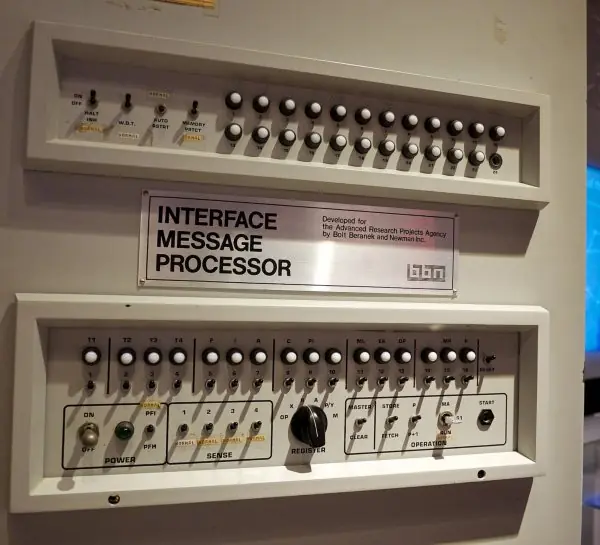
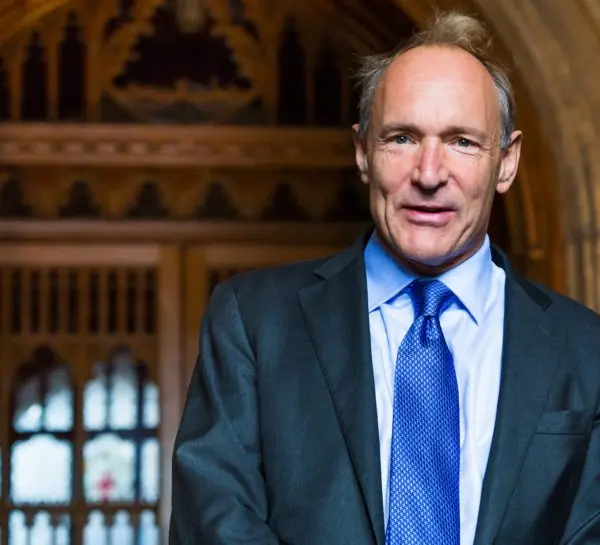
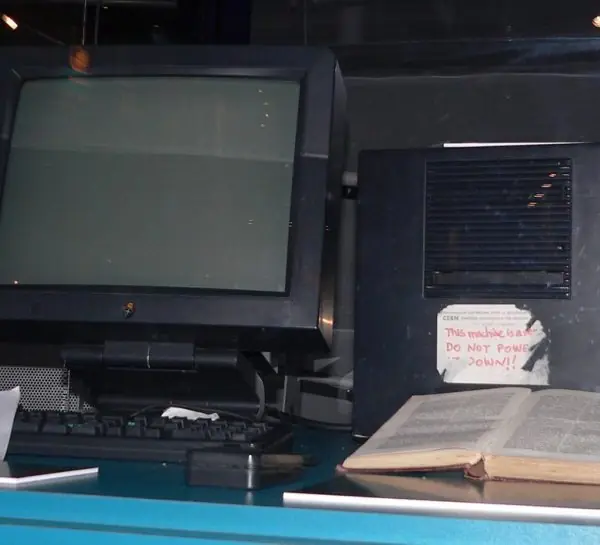
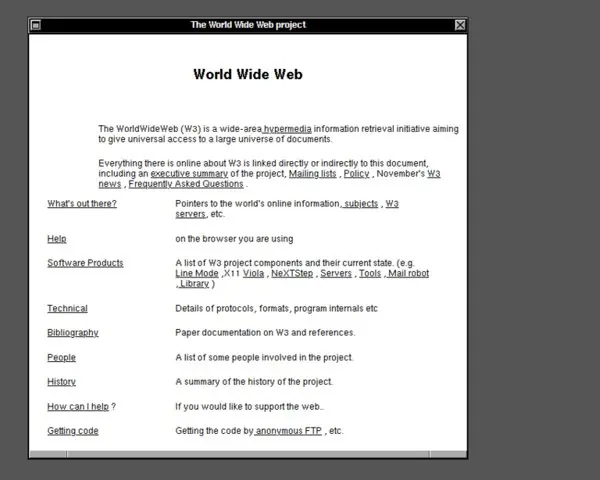
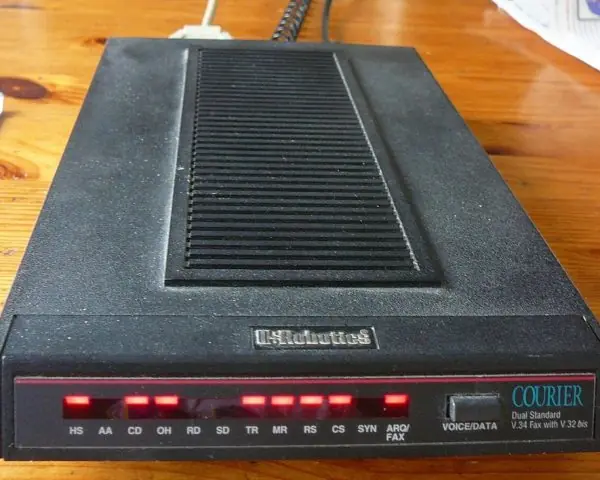
- The Internet began as ARPANET (1969). The World Wide Web was invented by Tim Berners-Lee at CERN (1989). The Web is a service on the Internet.
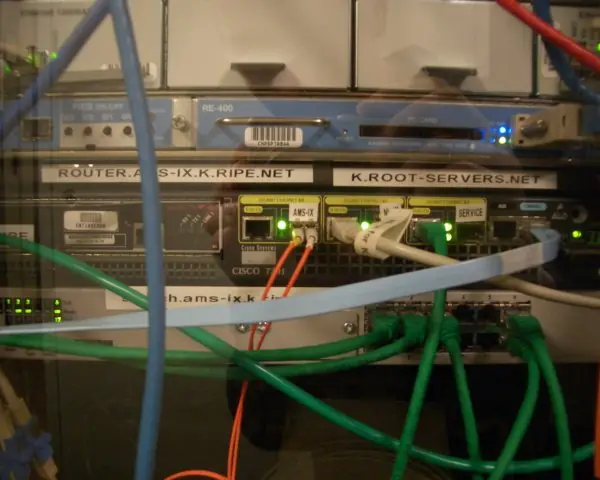
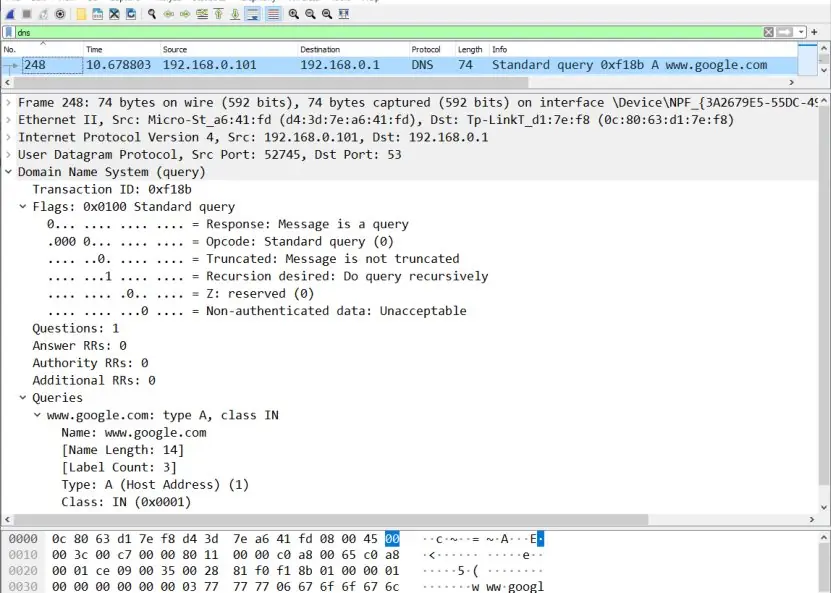
- Protocols: HTTP/HTTPS (web; the S is secure), FTP (files), SMTP (sending mail), POP3/IMAP (receiving mail), TCP/IP (the basic suite), DNS (domain name → IP address).
- IPv4 is 32 bits (e.g. 192.168.1.1); IPv6 is 128 bits. URL = Uniform Resource Locator. Nepal's country domain is .np; others: .com, .org, .edu, .gov.
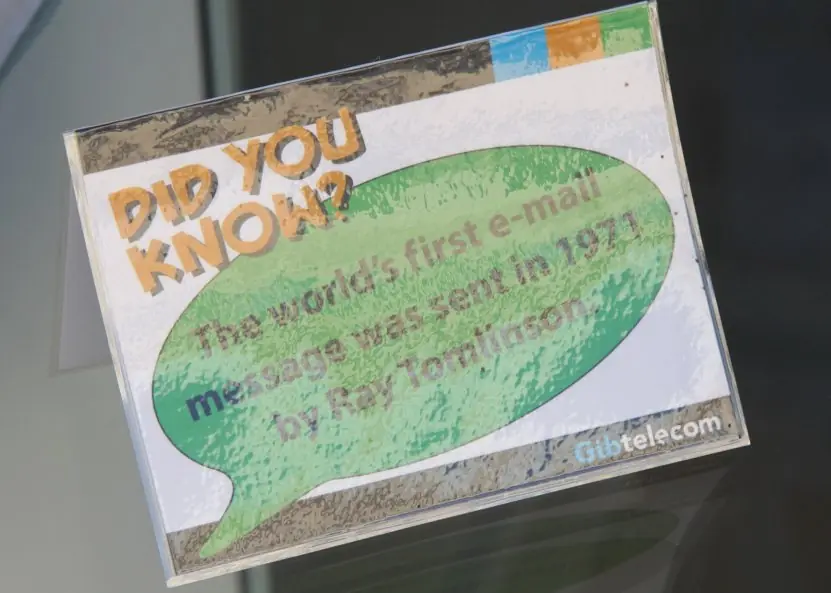
- E-mail: To (main recipient), Cc (carbon copy), Bcc (blind carbon copy: hidden recipients). Format
name@domain. Browsers (Chrome, Firefox, Edge, Safari) are not search engines (Google, Bing). - Networks: LAN (building), MAN (city), WAN (wide area; the Internet).




4.2 HTML basics
HTML = HyperText Markup Language: a markup language, not a programming language. Tags come in pairs <tag>…</tag>.
| Tag | Use |
|---|---|
<html>, <head>, <title>, <body> |
page structure |
<h1> … <h6> |
headings (h1 largest) |
<p> |
paragraph |
<br> |
line break |
<a href="…"> |
hyperlink |
<img src="…" alt="…"> |
image |
<ul>, <ol>, <li> |
unordered list, ordered list, item |
<table>, <tr>, <td> |
table, row, cell |
CSS styles pages; JavaScript makes them interactive.

4.3 Programming languages and concepts
| Language | Creator |
|---|---|
| C (1972, Bell Labs) | Dennis Ritchie |
| C++ | Bjarne Stroustrup |
| Java | James Gosling |
| Python | Guido van Rossum |
| FORTRAN (1957) | the first widely used high-level language |
- Algorithm: a step-by-step procedure to solve a problem; flowchart: its diagram (oval start/end, rectangle process, parallelogram input/output, diamond decision).
- Compiler translates the whole program; interpreter line by line; assembler assembly → machine code.
- Syntax error: breaks the language's rules. Logic error: runs but gives wrong results. SQL is the language of databases.



4.4 Important full forms and inventors
| Abbr. | Full form |
|---|---|
| CPU | Central Processing Unit |
| RAM / ROM | Random Access Memory / Read Only Memory |
| USB | Universal Serial Bus |
| GUI | Graphical User Interface |
| URL | Uniform Resource Locator |
| ISP | Internet Service Provider |
| SQL | Structured Query Language |
| ASCII | American Standard Code for Information Interchange |
| Portable Document Format | |
| OCR / OMR / MICR | Optical Character / Optical Mark / Magnetic Ink Character Recognition |
| BCA | Bachelor of Computer Application |
4.5 Eight traps in Internet, HTML and programming questions
These eight traps appear in almost every set of entrance questions on this chapter. Each one is a pair of ideas that sound similar.
- Internet is not the Web. The Internet is the worldwide network of networks (ARPANET began in 1969), while the World Wide Web is one service on it, invented by Tim Berners-Lee at CERN in 1989 (Fig 4.1). E-mail and FTP also use the Internet but are not the Web. A question "who invented the Internet" has a different answer from "who invented the WWW".
- Browser is not a search engine. Chrome, Firefox, Edge and Safari are browsers, the programs you use to open pages. Google and Bing are search engines, which are websites that find pages. Students lose marks by writing Google as a browser, so say it aloud: "I open Google in Chrome".
- Which protocol does what. HTTP fetches web pages and HTTPS is the secure version, FTP moves files, SMTP sends mail and POP3 or IMAP receive mail (Fig 4.6). TCP/IP is the base suite, and DNS converts a domain name into an IP address. Remember the arrow: S in SMTP is for sending ("Simple Mail Transfer").
- Cc and Bcc. Cc (carbon copy) recipients are visible to everyone, while Bcc (blind carbon copy) recipients are hidden from all the others. The main recipient goes in To. If a manager wants to send a notice to 200 students without showing their addresses to each other, Bcc is the correct choice.
- IPv4 is 32 bits and IPv6 is 128 bits. An IPv4 address has four octets, each from 0 to 255, so 192.168.1.256 is not valid (Fig 4.4). IPv4 gives about 4.3 billion addresses, which is why IPv6 was created. Nepal's country domain is .np, and tu.edu.np is read from the right: Nepal, education, Tribhuvan University.
- HTML is a markup language, not a programming language. It describes structure with tags such as
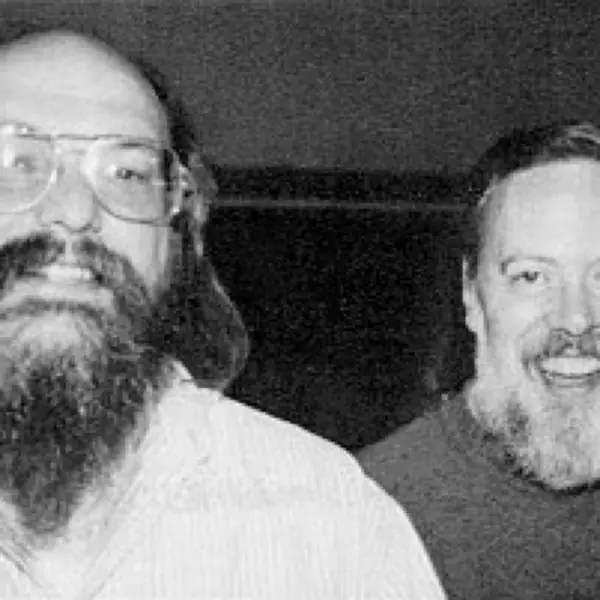
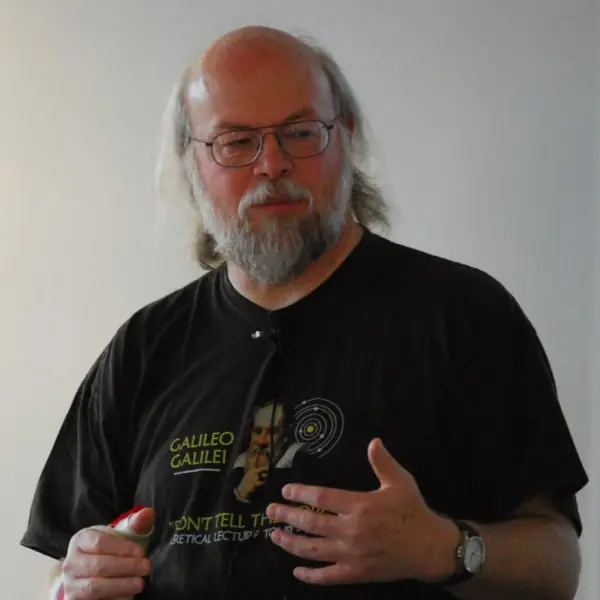
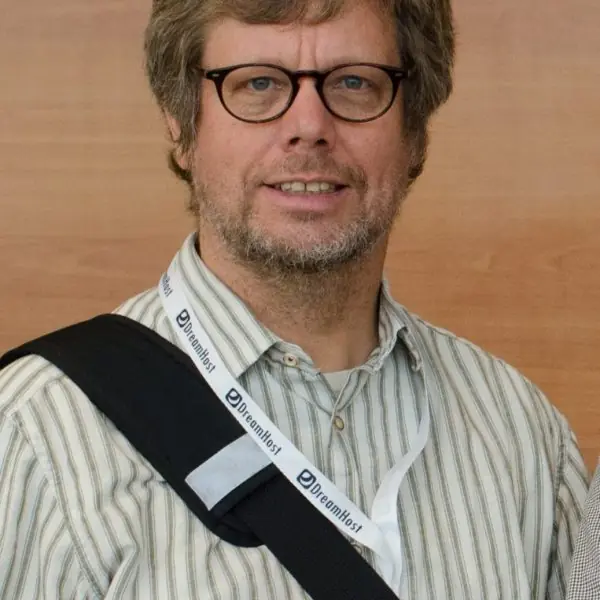
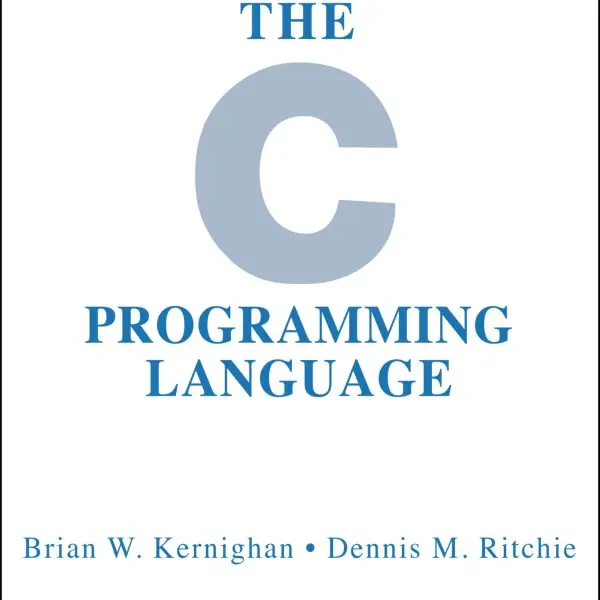
<h1>,<p>,<a>and<img>; it has no loops or decisions.<h1>is the largest heading and<h6>the smallest, and<br>needs no closing tag. If an option says "HTML is a programming language", it is wrong. - Match language to creator. C is by Dennis Ritchie (1972, Bell Labs), C++ by Bjarne Stroustrup, Java by James Gosling and Python by Guido van Rossum (Plate 4.4). FORTRAN (1957) was the first widely used high-level language. The order of birth is FORTRAN, C, C++, Python, Java (Fig 4.8).
- Syntax error or logic error? A syntax error breaks the rules of the language, so the program will not compile or run. A logic error lets the program run but gives the wrong answer, such as using + instead of -. Also remember the flowchart symbols: oval for start and end, parallelogram for input and output, rectangle for a process and diamond for a decision (Fig 4.9).
4.5.1 Worked checks
Q. Which of the following is a valid IPv4 address? (a) 192.168.1.256 (b) 172.16.0.1 (c) 10.300.4.1 (d) 192.168.1
Answer: (b). An IPv4 address must have exactly four octets and each must be between 0 and 255. Option (a) has 256, option (c) has 300 and option (d) has only three octets, so only 172.16.0.1 is valid. It also belongs to a private range, which is common on college LANs.
Q. Ram sends a mail To: Sita, Cc: Hari, Bcc: Gita. Who can see Gita's address? (a) Sita (b) Hari (c) Everyone (d) Only Ram
Answer: (d). A Bcc address is hidden from every other recipient, so Sita and Hari cannot see Gita; Ram wrote it himself so he knows it. Gita sees the To and Cc lists, so she knows who else received the mail (Fig 4.6).
Formula and fact sheet
| Quick facts | |
|---|---|
| WWW | Tim Berners-Lee, 1989 |
| IPv4 / IPv6 | 32 / 128 bits |
| Send mail / receive mail | SMTP / POP3, IMAP |
| C / Python / Java | Ritchie / van Rossum / Gosling |
Chapter summary
- HTML is a markup language;
<h1>is the largest heading. - SMTP sends, POP3 and IMAP receive.
- Bcc hides recipients from each other.
- HTTPS means HTTP over a secure connection.
- Learn the creator of each language and the full forms above.
Practice questions
Set A — Recall (20 questions)
- HTML stands foraHyper Text Making LanguagebHigh Text Markup LanguagecHyperText Markup LanguagedHyperlink Text Mode Language
- The World Wide Web was invented byaTim Berners-LeebDennis RitchiecBill GatesdLinus Torvalds
- The tag for the largest heading in HTML isa
<head>b<h6>c<title>d<h1> - The HTML tag for a hyperlink isa
<link>b<a>c<href>d<url> - URL stands foraUniform Resource LocatorbUniversal Record LocatorcUniform Record LinkdUnited Resource Locator
- The protocol used to send e-mail isaHTTPbFTPcSMTPdDNS
- The country-code domain of Nepal isa.nlb.nec.nepd.np
- The C language was created byaJames GoslingbDennis RitchiecGuido van RossumdBjarne Stroustrup
- Python was created byaJames GoslingbBjarne StroustrupcGuido van RossumdDennis Ritchie
- Java was created byaJames GoslingbDennis RitchiecLinus TorvaldsdTim Berners-Lee
- Bcc in e-mail stands foraBlack copybBasic carbon copycBlind computer copydBlind carbon copy
- An IPv4 address is how many bits long?a16b32c64d128
- In HTTPS the letter S meansasimplebspeedcsecuredserver
- The HTML tag that inserts an image isa
<img>b<image>c<pic>d<src> - A translator that converts a program line by line is aacompilerbassemblerclinkerdinterpreter
- SQL is used to work withagraphicsbdatabasescnetworksdprinters
- Which of these is NOT a programming language?aCbJavacHTMLdPython
- Google Chrome is aaweb browserboperating systemcprogramming languagedsearch engine
- Which of these is a search engine?aChromebFirefoxcEdgedGoogle Search
- ISP stands foraInternal Service ProtocolbInternet Service ProvidercInternet System ProgramdInternal Site Provider
Answers and explanations — Set A
1. (c) — HyperText Markup Language.
2. (a) — Tim Berners-Lee, 1989.
3. (d) — <h1> is the largest; <h6> the smallest.
4. (b) — the anchor tag with an href.
5. (a) — Uniform Resource Locator.
6. (c) — SMTP sends mail.
7. (d) — .np.
8. (b) — Dennis Ritchie, 1972.
9. (c) — Guido van Rossum.
10. (a) — James Gosling.
11. (d) — blind carbon copy.
12. (b) — 32 bits; IPv6 is 128.
13. (c) — secure.
14. (a) — <img src="…">.
15. (d) — an interpreter; a compiler works on the whole program.
16. (b) — Structured Query Language.
17. (c) — HTML is a markup language.
18. (a) — Chrome is a browser.
19. (d) — Google Search; the others are browsers.
20. (b) — Internet Service Provider.
Set B — Understanding (12 questions)
- ARPANET, the forerunner of the Internet, began ina1949b1959c1979d1969
- An IPv6 address is how many bits long?a64b128c32d256
- Which protocol is used to receive e-mail?aPOP3bSMTPcFTPdHTML
- The HTML tag
<br>producesabold textbitalic textca line breakda new page - The HTML tag
<p>defines aapicturebpagecprogramdparagraph - DNS translatesadomain names into IP addressesbIP addresses into MAC addressescfiles into foldersdtext into speech
- A web browser displays pages written inaCbHTMLcSQLdbinary only
- The first widely used high-level programming language (1957) wasaCOBOLbBASICcFORTRANdPascal
- In an e-mail, Cc stands foracarbon copybclosed copyccentral copydcancelled copy
- CSS is used foradatabasesbnetworkingchardwaredstyling web pages
- USB stands foraUniversal Standard BusbUnited Serial BuscUniversal Serial BusdUnique Serial Block
- GUI stands foraGeneral User InterfacebGraphical User InterfacecGroup User InputdGlobal User Interface
Answers and explanations — Set B
1. (d) — 1969.
2. (b) — 128 bits.
3. (a) — POP3 (or IMAP) receives mail.
4. (c) — a line break.
5. (d) — paragraph.
6. (a) — names to numeric addresses.
7. (b) — HTML.
8. (c) — FORTRAN, 1957.
9. (a) — carbon copy.
10. (d) — Cascading Style Sheets style pages.
11. (c) — Universal Serial Bus.
12. (b) — Graphical User Interface.
Set C — Application (8 questions)
- The HTML tag for an ordered list isa
<ul>b<ol>c<li>d<list> - The Internet is an example of aaLANbPANcMANdWAN
- The attribute that gives the destination of a link isahrefbsrccaltdlink
- Which is a valid e-mail address?aram@@gmail.combram.gmail.comcram@gmail.comd@ram gmail.com
- ASCII stands foraAmerican System Code for Information InterchangebAmerican Standard Code for Information InterchangecApplied Standard Code for Internet InterchangedAutomatic Standard Code for Information Input
- A step-by-step procedure to solve a problem is calledasyntaxba compilerca bugdan algorithm
- In a flowchart a decision is shown by aarectanglebovalcdiamonddparallelogram
- A syntax error isaa violation of the rules of the languageba wrong answer from a correct programca hardware faultda slow program
Answers and explanations — Set C
1. (b) — <ol>; <ul> is unordered.
2. (d) — a wide area network of networks.
3. (a) — href holds the link target; src is for images.
4. (c) — one @ and a domain.
5. (b) — American Standard Code for Information Interchange.
6. (d) — an algorithm.
7. (c) — the diamond.
8. (a) — the code breaks the language's grammar rules.