Unit 3 · Science and Technology · 26 min read
Living Beings and Their Structure
What the syllabus asks for 5
- the cell: plant and animal cells, cell organelles and their functions
- interrelationship among cell, tissue, organ and organ system in the human body
- classification of living beings: five kingdoms and the vertebrate classes
- effects of microorganisms: useful microorganisms and disease-causing microorganisms
- protection of food from microorganisms; vaccination
There are many kinds of plants and animals on the earth, from microscopic germs to huge trees and whales. Animals usually have a head, trunk, tail and limbs; plants usually have roots, stems, leaves, flowers and fruits. Many tiny organisms have no such organs at all. Yet the body of every living being is made of very small units called cells. Because the cells work together in perfect coordination, the body can digest, breathe, grow and reproduce. In this unit we study the cell and its parts, how cells build tissues, organs and systems, how living beings are classified, and how microorganisms help and harm us.
Draw and label a plant cell and an animal cell; give the structure and function of the cell wall, cell membrane, cytoplasm, mitochondria, plastids, ribosomes, ER, Golgi body, lysosome, vacuole and nucleus; explain cell → tissue → organ → organ system; compare the two-kingdom and five-kingdom systems; describe viruses, bacteria, amoeba and fungi with their good and bad effects; and explain dry, wet and cold preservation of food.
3.1 The cell: plant and animal cells, organelles and their functions
The cell is the basic structural and functional unit of life. Every organism is made of one or many cells, and all life processes — digestion, respiration, reproduction, transport and photosynthesis — take place in or by cells. The study of cells is called cytology.
History. The cell was first seen by Robert Hooke in 1665 in a thin slice of cork under a microscope he made himself. He called the little rooms cellulae ("tiny rooms" in Latin). Later, Schleiden (plants), Schwann (animals) and Rudolf Virchow concluded that all living bodies are made of cells and that new cells come from existing cells.
3.1.1 Shape and size of cells
Animal cells are usually irregular: oval, round, rod-like, cubical or columnar. Nerve cells are long and thread-like; most muscle cells are spindle-shaped. Plant cells are usually box-like or hexagonal. Bacteria are round, rod-shaped, thread-like or spiral. Most cells are too small to see with the naked eye. The smallest known cell is Mycoplasma (a bacterium), about 0.2 micrometre across; the biggest single cell is the ostrich egg, about 15 cm long.
Problem. Under a microscope of magnification 400×, an onion cell appears 8 mm long. Find its real length in mm and in micrometres (1 mm = 1000 μm). Solution. Real size =\frac{\text{image size}}{\text{magnification}}=\frac{8\ \text{mm}}{400}=0.02 mm =0.02\times1000=20 μm.
3.1.2 Observing cells (Activities 3.2 and 3.3)
Onion peel (plant cell). Take a thin, transparent peel from an onion scale and cut small pieces. Stain them in safranin in a watch glass for a few minutes, then wash in clean water. Put a drop of glycerine on a clean slide, place one piece in it with a needle, spread it flat and lower a cover slip gently so that no air bubbles are trapped. Observe under the microscope: you see box-like cells joined side by side, each with a thick wall and a nucleus.
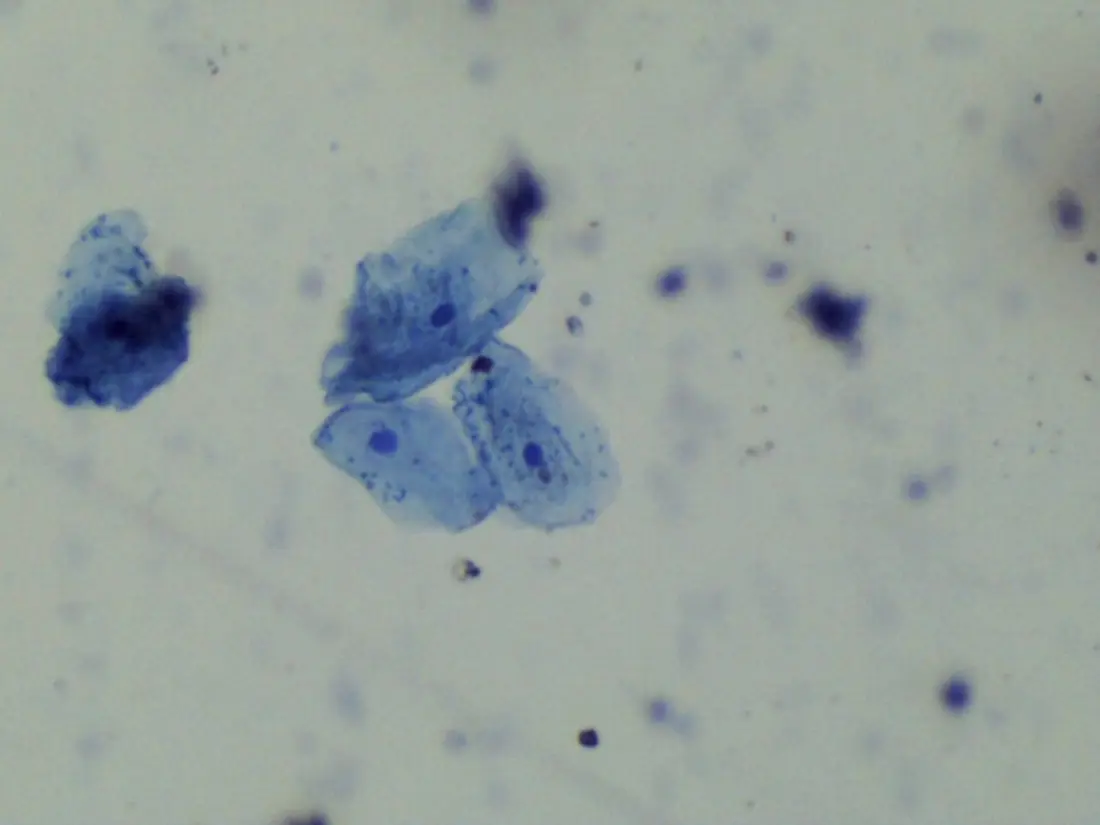
Cheek cells (animal cell). Gently scrape the inside of your cheek with a clean, blunt toothpick (never a sharp metal needle). Put a drop of 1 % methylene blue and a drop of salt solution on a slide, mix the scraping in it and cover. The cells are flat and irregular, with a dark-stained nucleus and no cell wall.
3.1.3 Parts of a cell
A cell has four main groups of parts: cell covering, cytoplasm, cell components and nucleus.
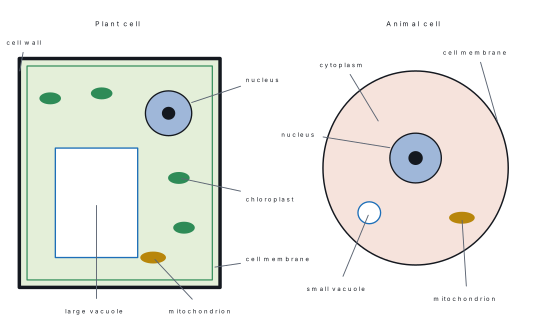
1. Cell covering: cell wall and cell membrane
| Cell wall | Cell membrane (plasma membrane) |
|---|---|
| found only in plant, fungal and bacterial cells | found in all cells |
| outermost layer in those cells | outermost layer in animal cells; just inside the wall in plant cells |
| tough, rough, non-living | thin, smooth, elastic, living |
| freely permeable | semi-permeable: controls what enters and leaves |
| gives a fixed shape and mechanical support; protects from germs; in root hairs helps absorb water and minerals | controls transport of fluids; in amoeba forms pseudopodia for movement and catching food |
2. Cytoplasm. A clear, sticky, semi-liquid between the cell membrane and the nucleus, made of water, salts, minerals, proteins and vitamins. Functions: the chemical reactions of life (metabolism) take place in it; it balances water and minerals; it holds the organelles.
3. Cell components. These are of two kinds. Cell organelles are living parts that each do a special job (mitochondria, plastids, ribosomes, ER, Golgi body, lysosome). Cell inclusions are non-living things in the cytoplasm — droplets of water, crystals of salts, enzymes, hormones, vitamins, stored food and wastes. They act as raw materials and energy sources for the organelles.
| Organelle | Structure | Function |
|---|---|---|
| Mitochondria | rod-like or thread-like, double membrane; inner membrane folded | power house: oxidise glucose with oxygen to release energy (stored as ATP); give CO₂ and water; contain some DNA |
| Chloroplast (green plastid) | round or oval, double membrane, contains chlorophyll; spiral ribbon in Spirogyra | makes food by photosynthesis; makes plants green; contains DNA |
| Chromoplast | coloured (not green) plastid in flowers, ripe fruits, some leaves | gives colour that attracts insects and birds for pollination and seed dispersal |
| Leucoplast | colourless plastid in roots, seeds, white parts | stores starch, protein and fat |
| Ribosome | very small, no membrane; free or on ER | makes proteins — the protein factory |
| Endoplasmic reticulum (ER) | network of folded membrane canals from nucleus to cell membrane; rough ER has ribosomes, smooth ER has none | framework and support (endoskeleton of the cell); transport inside the cell; helps make new membranes |
| Golgi body | stack of flat sacs (cisternae) with vesicles; discovered by Camillo Golgi, 1898 | secretion of mucus, saliva, sweat, tears, gum; sorts and packs proteins; forms the cell plate in plant cell division |
| Lysosome | small round sac with a single membrane, full of digestive enzymes | digests food, worn-out and dead parts; can digest its own cell — the suicidal bag |
| Vacuole | space bounded by a membrane (tonoplast), filled with cell sap; large in old plant cells, small in animal cells | balances water and salts; stores wastes before they are removed |
Plastids are found only in plant cells (and some bacteria and protists). The vacuole is not a true organelle but a space filled with liquid.
4. Nucleus. The nucleus is a round body, usually near the centre, enclosed by a double, porous nuclear membrane. It is found in the cells of plants, animals, protists and fungi (eukaryotes). Bacteria are prokaryotes: their genetic material lies free in the cell without a membrane.
| Part of nucleus | Description and function |
|---|---|
| Nuclear membrane | double membrane with pores; protects the nucleus and lets substances pass in and out |
| Nucleolus | round body without a membrane; made of protein and RNA; helps in cell division |
| Nucleoplasm | liquid inside the nucleus; holds the nucleolus and chromatin |
| Chromatin fibres | thin threads of DNA and protein; become thick, visible chromosomes during cell division; carry hereditary characters. A human cell has 23 pairs (46) |
Functions of the nucleus: controls and coordinates all activities of the cell, so it is called the brain of the cell; passes hereditary characters from parents to offspring; takes part in cell division (needed for growth); in unicellular organisms takes part directly in reproduction.
3.1.4 Plant cell and animal cell compared
| Plant cell | Animal cell | Both |
|---|---|---|
| has a cell wall of cellulose | no cell wall | cell membrane |
| usually box-like, fixed shape | irregular or round | cytoplasm |
| has plastids (chloroplasts) | no plastids | nucleus |
| one large central vacuole | many small vacuoles or none | mitochondria, ribosomes, ER, Golgi body |
| nucleus pushed to one side | nucleus near the centre | cellular respiration |
(1) Drawing the cell wall and cell membrane as one line in a plant cell — draw a thick wall with a thin membrane just inside. (2) Putting chloroplasts in an animal cell. (3) Writing names without label lines: a label must touch the part with a straight line.
Question. A cell has a rigid outer boundary, one large central space and many small green bodies. Identify it, giving three reasons.
Answer. It is a plant cell. (i) The rigid boundary is the cell wall, absent in animal cells. (ii) The large central space is the vacuole, large only in plant cells. (iii) The green bodies are chloroplasts, found only in plant cells.
3.2 Cell, tissue, organ and organ system in the human body
Cells of similar kind join to form a tissue. Different tissues join at a place to form an organ, which does one or more special jobs. Organs that work together for one function form an organ system. All the organ systems together make the body (organism).
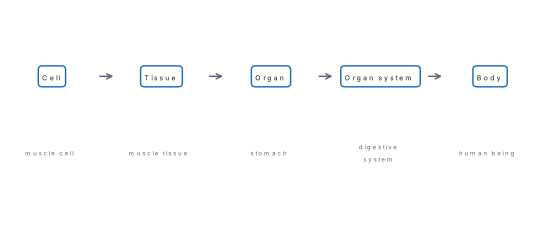
Example from the textbook. Muscle fibres (cells) form muscular tissue. Muscular tissue lies in the middle layer of the food pipe, stomach and intestine. Its rhythmic contraction and relaxation (peristalsis) pushes food along. Glandular tissue in the inner wall of the stomach and intestine secretes digestive enzymes. These tissues together make the organs of the digestive system, and the system digests food for the whole body. So cells, tissues, organs and systems depend on one another; if the cells fail, the organ and the body fail.
| Organ system | Main organs | Job |
|---|---|---|
| Digestive | mouth, food pipe, stomach, intestines, liver | digests and absorbs food |
| Respiratory | nose, trachea, lungs | takes in O₂, gives out CO₂ |
| Circulatory | heart, blood vessels, blood | carries food, oxygen and wastes |
| Excretory | kidneys, ureters, urinary bladder | removes urea and extra salts |
| Nervous | brain, spinal cord, nerves | controls and coordinates the body |
| Skeletal and muscular | bones, muscles | support, protection, movement |
| Reproductive | testes / ovaries and related organs | produces young ones |
3.3 Classification of living beings
Living beings differ in habitat, nutrition, reproduction and body structure, but they also share features. A bat flies and a rabbit runs, but both give birth to young and feed them milk, so both are placed in the class Mammalia.
Classification is the grouping of living beings into groups and subgroups on the basis of their similarities and differences. It makes the study of the huge number of organisms easy and systematic, and shows the trend of evolution.
3.3.1 Two-kingdom system
Proposed by the Swedish biologist Carolus Linnaeus in 1753. All organisms were put into two kingdoms, Plantae and Animalia, on the basis of nutrition, movement, growth and reproduction. Organisms that move, take ready-made food (heterotrophic) and stop growing after some time are animals; those that do not move, make their own food (autotrophic) and grow throughout life are plants.
Merits: the first scientific system; simple; plants and animals are easily distinguished. Drawbacks: (1) fungi, which cannot photosynthesise, were put with plants; (2) prokaryotic bacteria and eukaryotic algae were put in the same kingdom; (3) unicellular and multicellular organisms were not separated; (4) organisms like lichens and Euglena (which has features of both) had no proper place.
3.3.2 Five-kingdom system
Proposed by the American ecologist R. H. Whittaker in 1969. Basis: type of cell (prokaryotic or eukaryotic), body organisation (unicellular or multicellular), mode of nutrition (autotrophic or heterotrophic), role in the ecosystem (producer, consumer or decomposer) and phylogenetic (evolutionary) relationship.
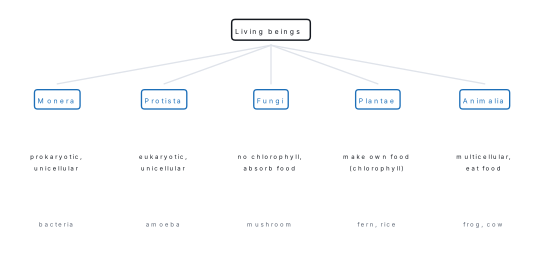
| Kingdom | Main features | Examples |
|---|---|---|
| Monera | unicellular prokaryotes (no true nucleus) | bacteria, cyanobacteria, Mycoplasma |
| Protista | unicellular eukaryotes | Amoeba, Paramecium, Euglena, Plasmodium, Chlamydomonas |
| Fungi (Mycota) | eukaryotes with cell wall, no chlorophyll; saprophytic or parasitic; digest food outside the body | mushroom, yeast, Mucor, Penicillium, yarsagumba |
| Plantae | multicellular, green, autotrophic (producers) | moss, fern, pine, mustard, sunflower |
| Animalia | multicellular eukaryotic consumers, no cell wall | sponge, earthworm, insect, fish, human |
Features: unicellular and multicellular organisms are separated; prokaryotes and eukaryotes are separated; autotrophs (Plantae) and heterotrophs (Animalia, Fungi) are separated; organisms are arranged from least developed to more developed, showing the trend of evolution.
| Two-kingdom system | Five-kingdom system |
|---|---|
| Linnaeus, 1753 | Whittaker, 1969 |
| two kingdoms: Plantae, Animalia | five kingdoms: Monera, Protista, Fungi, Plantae, Animalia |
| based on nutrition, movement, growth | based on cell type, body organisation, nutrition, ecological role, evolution |
| prokaryotes and eukaryotes mixed | separated |
| fungi and bacteria placed with plants | given their own kingdoms |
3.3.3 The vertebrate classes
Animals with a backbone are vertebrates. They are divided into five classes.
| Class | Body covering | Breathing | Young | Examples |
|---|---|---|---|---|
| Pisces (fish) | scales, fins | gills | eggs in water | rohu, trout |
| Amphibia | moist skin, no scales | gills when young; lungs and skin as adult | eggs in water | frog, toad |
| Reptilia | dry scaly skin | lungs | shelled eggs on land | lizard, snake, tortoise |
| Aves (birds) | feathers, beak | lungs | hard-shelled eggs | sparrow, danfe, pigeon |
| Mammalia | hair or fur, mammary glands | lungs | most give birth; feed milk | cow, bat, whale, human |
A whale lives in water and has fins, but it has hair, breathes with lungs and feeds its young with milk, so it is a mammal. Classification follows body structure, not the place where an animal lives.
3.4 Effects of microorganisms
Microorganisms (germs or microbes) are living beings too small to be seen with the naked eye. They live in air, water, soil, uncovered food, dirt, and in and on living and dead bodies. A broken egg left open becomes rotten and smelly because of them. The study of microorganisms is microbiology.
(A) Virus. The smallest germs, which can infect plants, animals, bacteria and fungi. A virus has no cell (acellular), so it belongs to no kingdom. Its body is only nucleic acid (DNA or RNA) inside a protein coat (capsid), sometimes with an envelope. Outside a host it behaves like a non-living thing (no eating, breathing or growth); inside a living cell it multiplies, damaging the cell. So it is called a link between living and non-living and an obligate parasite. Examples: rhinovirus (cold), coronavirus (SARS-CoV-2 causes COVID-19), tobacco mosaic virus, bacteriophage.
(B) Bacteria. Unicellular prokaryotes (kingdom Monera); round, rod-shaped or spiral. A tough outer capsule lets some survive very hot or cold places. Most are saprophytic decomposers; some make their own food; some are parasites that cause disease. Examples: Rhizobium, Azotobacter, Salmonella, cyanobacteria.
| Bacteria | Virus |
|---|---|
| a true cell (prokaryotic) | no cell; nucleic acid in a protein coat |
| living in all conditions; has metabolism | behaves as living only inside a host cell |
| can live freely, many are useful | always a parasite inside a cell |
| larger; seen with a light microscope | much smaller; needs an electron microscope |
| killed by antibiotics | not killed by antibiotics |
(C) Amoeba. A unicellular eukaryote (Protista) of water and moist soil. It has no fixed shape; it moves and catches food with pseudopodia (false feet). Entamoeba histolytica in dirty water causes amoebic dysentery.
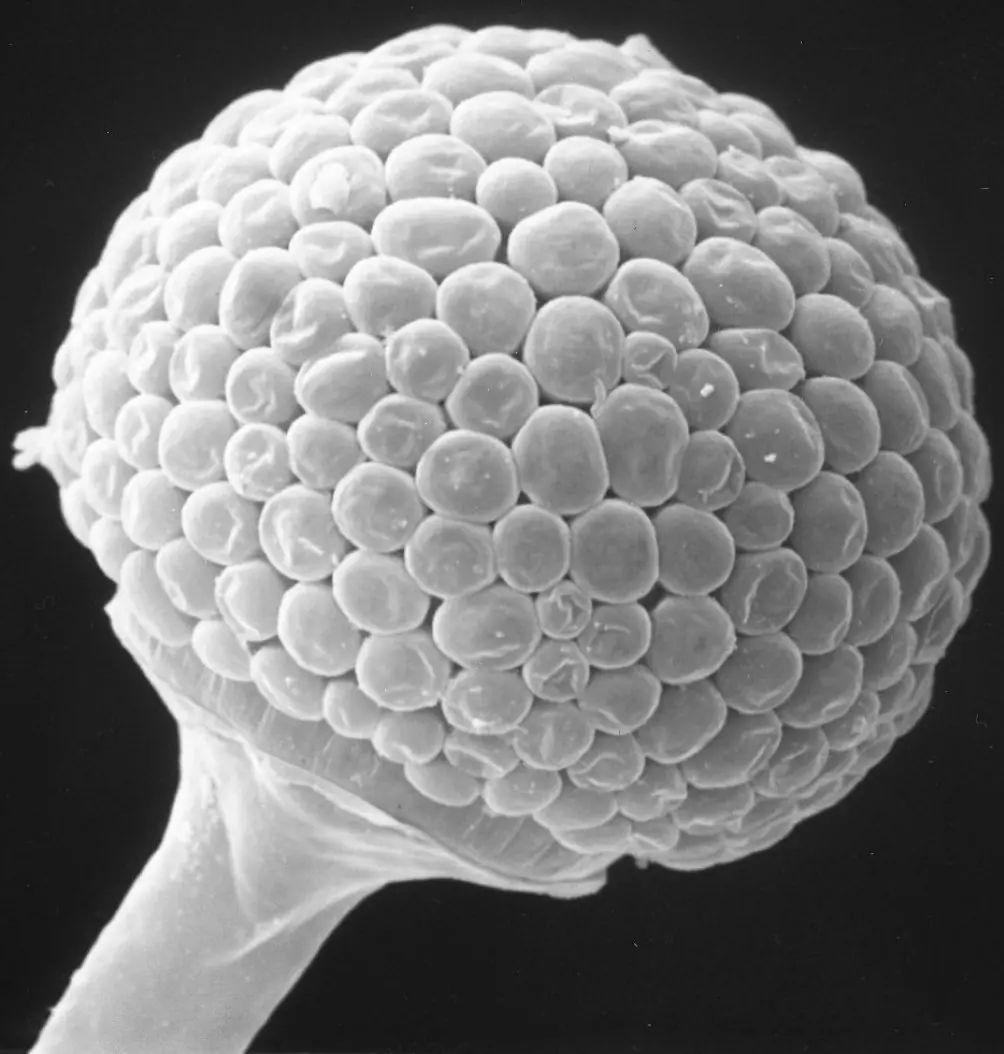
(D) Fungi. Eukaryotes with a cell wall but no chlorophyll (kingdom Mycota). Most are saprophytes living on dead and decaying matter; some are parasites. The body is made of fine threads called hyphae, forming a mycelium. Examples: Mucor, mushroom, yeast, Penicillium, yarsagumba (Cordyceps), Puccinia (rust of wheat).
3.4.1 Useful (positive) effects
- Amoeba proteus feeds on bacteria, so it helps control them.
- Decomposer bacteria (e.g. Nitrosomonas, Nitrobacter, Clostridium) break dead bodies and wastes into simple minerals, making the soil fertile and keeping the ecosystem in balance.
- Rhizobium in the root nodules of legumes (pea, bean, gram) fixes atmospheric nitrogen, increasing soil fertility.
- Lactobacillus turns milk into curd; Streptococcus lactis is used for cheese.
- Bacteria and fungi are used to make antibiotics (penicillin from Penicillium), vaccines, insulin and vitamins.
- Yeast ferments sugars into alcohol and acids (fermentation); it is used in bread, jaand, pickles and gundruk.
- Bacteriophages kill bacteria and can be used against some bacterial infections and in water treatment.
- Viruses are used in genetic engineering to transfer genes.
3.4.2 Harmful (negative) effects
- They cause diseases in people, animals and crops, and reduce farm, fish, silk and honey production.
- They spoil food and produce poisons, causing food poisoning.
- They infect wounds and pimples; if the toxin enters the blood it can cause sepsis, which may be fatal.
- They spoil stored grains and vegetables, causing loss to farmers.
- Decomposing waste at dumping sites gives a foul smell and pollutes the air.
| Group | Diseases in humans | Plant diseases |
|---|---|---|
| Virus | COVID-19, common cold, AIDS, measles | tobacco mosaic |
| Bacteria | typhoid, tuberculosis, cholera, pneumonia | blight of rice, citrus canker |
| Protozoa | amoebic dysentery, malaria, giardiasis | — |
| Fungi | ringworm, athlete's foot | rust of wheat, root rot |
Food poisoning is illness caused by eating food contaminated by microbes such as Clostridium, Salmonella, norovirus or Giardia or by their toxins. Symptoms: diarrhoea, vomiting, fever, dehydration, headache. Prevention: eat fresh, well-cooked food; keep food covered; wash hands and utensils; never eat stale or bad-smelling food.
Reason. Lactobacillus in milk changes milk sugar (lactose) into lactic acid, which tastes sour and curdles the protein. Bacteria multiply faster in warmth, so in summer the milk sours in a few hours.
Conclusion. Boil milk (kills most bacteria), cover it (stops new ones) and keep it cool (slows growth). The same action of bacteria is used on purpose to make curd.
3.5 Protection of food from microorganisms; vaccination
Food preservation is protecting food from microorganisms and keeping its nutritional value so that it can be used for a long time. Microbes need moisture, warmth and air; every method removes one of these.
| Method | How it is done | Why microbes cannot grow | Nepali examples |
|---|---|---|---|
| Dry preservation | drying in sun, oven or dryer at about 20–30 °C until very little moisture is left | no water for the microbes | grains, sukuti (dry meat), dry fish, gundruk, dry fruits |
| Wet preservation | washing or boiling the food, then dipping it in strong salt solution, lemon juice, vinegar or mustard oil in an airtight jar | salt, acid and oil stop microbes; airtight lid keeps spores out | lemon, chilli, radish and bamboo-shoot (tama) pickles |
| Cold preservation | keeping food at low temperature (about −18 °C to 4.4 °C) in a fridge or cold store | microbes become inactive or die | fruits and vegetables in cold stores; potatoes and ginger in covered pits |
Fungus grows in a pickle when the vegetables were not dried properly, a wet spoon was used, too little salt or oil was added, or the lid was not airtight. Dry the vegetables well, use enough oil and salt, keep the jar airtight, and always use a clean, dry spoon.
Vaccination. A vaccine contains dead or weakened germs (or a part of them). When it is given, the body makes antibodies without suffering the disease, so later the real germ is destroyed quickly. This protection is called immunity. Nepal's national immunisation programme gives children free vaccines such as BCG (tuberculosis), polio, measles–rubella and others. Clean water, hand-washing, covering food and controlling mosquitoes prevent the diseases for which there is no vaccine.
Chapter summary
- The cell is the structural and functional unit of life (Hooke, 1665).
- Parts: covering (cell wall + membrane), cytoplasm, cell components (organelles + inclusions), nucleus.
- Mitochondria = power house (ATP); chloroplast = photosynthesis; ribosome = protein factory; ER = endoskeleton; Golgi = secretion; lysosome = suicidal bag; nucleus = brain of the cell; human cells have 23 pairs of chromosomes.
- Plant cells have a cell wall, plastids and a large vacuole; animal cells do not.
- Cell → tissue → organ → organ system → body.
- Two-kingdom system: Linnaeus, 1753. Five-kingdom system: Whittaker, 1969 — Monera, Protista, Fungi, Plantae, Animalia.
- Virus = link between living and non-living; bacteria, amoeba and fungi have useful and harmful effects.
- Food preservation: dry, wet and cold methods remove moisture, add salt/acid/oil or lower the temperature. Vaccines give immunity.
Practice questions
Group A — Multiple choice (1 mark each) (Textbook exercises.)
- The branch of science that deals with the study of the cell is [1]ahistologybcytologyccytogeneticsdanatomy
- In which form is the energy produced in a cell stored before it is given to the organelles? [1]aDNAbRNAcRBCdATP
- A common feature of the nuclear membrane and the cell membrane is that they [1]ahelp in transportbare made of pectincare non-elasticdpass on heredity
- Which function is done by both plant and animal cells? [1]aphotosynthesisbcellular respirationctranspirationdguttation
- What would happen if a cell had no cell membrane? [1]aorganelles would be lostbthe cell would dieconly metabolism would stopdonly the nucleus would be lost
- Which function of the nucleus helps the growth of the body? [1]amaking proteinbtransportctaking part in cell divisiondcontrolling all functions
- Who proposed the two-kingdom system? [1]aWhittakerbHaeckelcLinnaeusdAristotle
- In the five-kingdom system, protozoans belong to [1]aMonerabProtistacMycotadAnimalia
- Bacteria are called decomposers because they [1]acause diseasebinfect woundsclive in extreme placesddecay dead bodies and excreta
- Which virus causes COVID-19? [1]aSARS-CoV-1bSARS-CoV-2cflu virusdrhinovirus
- The main thing to be followed while preserving food is [1]ato prevent germsbdrying wellckeeping colddadding salt
- A feature of the five-kingdom system is that organisms are [1]aarranged in phylogenetic orderbclassified only by nutritioncclassified by chlorophyll and growthdclassified by movement
- To preserve fresh, wet gundruk, it should be [1]adried extremely in the sunbdried in the shadecdried leaving only the required small moisturedkept wet in an airtight bottle
Answers to Group A
1. (b) — cytology.
2. (d) — ATP (adenosine triphosphate).
3. (a) — both control the passage of substances.
4. (b) — every living cell respires.
5. (b) — without the membrane nothing can be controlled or held in, so the cell dies.
6. (c) — growth needs new cells.
7. (c) — Linnaeus, 1753.
8. (b) — Protista.
9. (d).
10. (b).
11. (a) — every method aims to keep microbes out or inactive.
12. (a) — from least developed to most developed.
13. (c) — dried until only very little moisture is left, so microbes cannot grow but the food keeps its quality.
Group B — Short answer (2 marks each)
- Differentiate:(a) cytoplasm and nucleoplasm(b) chloroplast and chromoplast(c) cell wall and cell membrane(d) cell organelles and cell inclusions. [4]
- Give reasons:(a) Ribosomes are called protein factories.(b) The cell wall gives a fixed shape to plant cells.(c) Metabolism occurs in the cytoplasm.(d) The cell is the basic unit of life.(e) Cells, tissues and organs must be coordinated for life processes. [5]
- Where are mitochondria found in a cell? Write their functions. [2]
- Which organelle digests itself, and why? [2]
- Write the role of the Golgi body and the vacuole. [2]
- Why is the nucleus called the brain of the cell? What happens if a cell has no nucleus? [2]
- Differentiate between bacteria and virus. [2]
- Give reasons:(a) A virus is called an infectious particle, not an organism.(b) We should not eat stale, smelly food.(c) The five-kingdom system gives a proper place to almost all organisms.(d) Fruits do not spoil if dried well. [4]
- What is food poisoning? Write its causes and prevention. [2]
- How is amoeba useful to people? [2]
Answers to Group B
1. (a) Cytoplasm is the semi-liquid between the cell membrane and nucleus, holding organelles; nucleoplasm is the liquid inside the nucleus, holding the nucleolus and chromatin. (b) Chloroplast is a green plastid with chlorophyll that makes food; chromoplast is a coloured (non-green) plastid that colours flowers and fruits for pollination and dispersal. (c) See the table in 3.1.3: wall is non-living, tough, freely permeable, only in plants/fungi/bacteria; membrane is living, thin, semi-permeable, in all cells. (d) Organelles are living parts with a special job (mitochondria, ribosome); inclusions are non-living substances in the cytoplasm (water droplets, salt crystals, stored food, wastes).
2. (a) They join amino acids to make proteins. (b) It is tough, rigid and non-living and surrounds the membrane like a box. (c) The cytoplasm holds the enzymes, raw materials and organelles where the chemical reactions occur. (d) Every organism is made of cells and every life process takes place in cells. (e) Each life process needs many cells working as tissues, tissues working as organs and organs working as a system; if one level fails, the process stops.
3. In the cytoplasm of both plant and animal cells. Functions: oxidise glucose with oxygen to release energy stored as ATP (power house); contain DNA that passes on some hereditary characters.
4. The lysosome. It is full of digestive enzymes; when the enzyme level becomes very high, or the cell is old or damaged, the membrane breaks and the enzymes digest the cell itself — so it is called the suicidal bag.
5. Golgi body: secretes mucus, saliva, sweat and tears; sorts and packs proteins; helps form the new membrane or cell plate in division. Vacuole: stores cell sap, balances water and salts, and collects wastes before they are removed.
6. It controls and coordinates all activities of the cell and carries the hereditary material. Without a nucleus the cell cannot divide or control its work, and soon dies (e.g. mature red blood cells live only about 120 days).
7. See the bacteria–virus table in 3.4.
8. (a) It has no cell and no metabolism, and it shows life only inside a host cell. (b) Microbes have grown in it and made toxins, causing food poisoning. (c) It separates prokaryotes from eukaryotes, unicellular from multicellular, and gives fungi their own kingdom. (d) Microbes need water to grow; dried fruit has too little.
9. Illness from eating food spoiled by microbes or their toxins. Causes: stale, uncovered or undercooked food; dirty hands or utensils; germs like Salmonella, Clostridium, norovirus. Prevention: eat fresh, well-cooked, covered food; wash hands; keep food cold; avoid smelly food.
10. Amoeba proteus eats bacteria, so it is used to control bacteria (e.g. in cleaning waste water).
Group C — Long answer (4 marks each)
- Draw a labelled diagram of a plant cell and an animal cell, and complete a Venn diagram comparing them. [4]
- Write the functions of the three kinds of plastids in a plant cell. What would happen to a plant with no chloroplasts? [4]
- Write the merits and drawbacks of the two-kingdom system, and explain how the five-kingdom system corrected them. [4]
- What are the methods of food preservation? Describe one, and write the importance of food preservation. Why does fungus grow in a pickle jar, and how can it be stopped? [4]
- What is a microorganism? Give one example from each group, write four advantages of microorganisms, and name two diseases caused by each group. [4]
Answers to Group C
1. Draw as in the figure in 3.1.3. Plant only: cell wall, plastids, large central vacuole. Animal only: irregular shape, small vacuoles, central nucleus. Both: cell membrane, cytoplasm, nucleus, mitochondria, ribosomes, ER, Golgi body.
2. Chloroplast: makes food by photosynthesis, gives green colour, helps make fatty acids and amino acids. Chromoplast: gives colour to flowers and fruits to attract insects and birds for pollination and seed dispersal. Leucoplast: stores starch, protein and fat. Without chloroplasts the plant could not make food, so it would not grow and would die; animals that depend on it would also suffer.
3. Merits: first scientific system; simple; easy to tell plants from animals. Drawbacks: fungi put with plants; prokaryotic bacteria and eukaryotic algae put together; unicellular and multicellular not separated; lichens and Euglena had no place. Correction: Whittaker's five-kingdom system put prokaryotes in Monera, unicellular eukaryotes in Protista, fungi in their own kingdom Fungi, and kept only green multicellular plants in Plantae and multicellular consumers in Animalia.
4. Dry, wet and cold preservation (table in 3.5). Wet preservation: the food is washed or boiled, dried, then kept in strong salt solution, lemon juice, vinegar or mustard oil in an airtight jar; e.g. lemon pickle. Importance: food lasts longer, nutrients are kept, seasonal food is available all year, loss to farmers is reduced and food poisoning is prevented. Fungus grows when moisture or air enters (wet vegetables, wet spoon, loose lid, too little oil or salt); prevent it by drying well, using enough oil and salt, an airtight lid and a dry spoon.
5. Microorganisms are living beings too small to see without a microscope. Examples: virus — coronavirus; bacteria — Rhizobium; protozoa — Amoeba; fungi — yeast; algae — Chlamydomonas. Advantages: decomposition and soil fertility; nitrogen fixation; curd and cheese; antibiotics and vaccines; fermentation (bread, jaand). Diseases: virus — COVID-19, common cold; bacteria — typhoid, tuberculosis; protozoa — malaria, amoebic dysentery; fungi — ringworm, athlete's foot.
Practise more: Science and Technology question bank