Chapter 15 · Developmental and Applied Botany · 3 questions in the paper · 26 min read
Applied Botany
What the syllabus asks for 3
- Plant tissue culture: concept, types and applications
- Genetic engineering: concept and applications
- Biofertilizers, green manures, plant breeding, bio-engineering, food safety and security
The closing chapter of the Botany book — 3 of the 40 Botany questions — turns everything before it into technology: plant tissue culture (the technique that regenerates whole plants from single cells via totipotency), genetic engineering (recombinant DNA, vectors, PCR, GMOs and Nepal's biosafety rules), and the field-level applied botany of biofertilizers, green manures and plant breeding, rounded off by bio-engineering, food safety and food security. It is a vocabulary chapter: the marks live in the exact terms, the named examples and one or two multiplication sums.
- Tissue culture — totipotency (Haberlandt 1902; Steward 1957 carrot); MS medium (Murashige and Skoog 1962); explant → sterilise → inoculate → callus → organogenesis → hardening; auxin : cytokinin ratio (high auxin roots, high cytokinin shoots).
- Culture types — callus, suspension, meristem (virus-free), anther (haploids → colchicine doubling → pure lines), embryo rescue, protoplast fusion (pomato), cryopreservation −196 °C; somaclonal variation.
- Genetic engineering tools — restriction endonucleases (scissors, sticky ends), DNA ligase (glue), vectors (pBR322; Ti plasmid of Agrobacterium tumefaciens, T-DNA), selectable markers; transfer: CaCl₂/heat shock, electroporation, microinjection, gene gun, Agrobacterium; PCR (Kary Mullis), gel electrophoresis.
- GMOs — humulin (1982), Flavr Savr tomato (1994, antisense polygalacturonase), Bt cotton and brinjal (cry genes), Golden Rice (β-carotene), Roundup Ready soybean; transgenic ≠ hybrid; Cartagena Protocol; no GM crop registered for cultivation in Nepal.
- Plant breeding — germplasm → evaluation → selection (mass, pure-line, clonal) → hybridisation → testing/release; heterosis vs inbreeding depression; mutation and polyploidy breeding; Borlaug and IR8; backcross; vertical vs horizontal resistance; biofortification.
- Biofertilizers and green manures — Rhizobium, Frankia (utis), Azolla–Anabaena, Azotobacter, Azospirillum, blue-green algae, phosphate solubilisers, mycorrhiza (phosphorus); dhaincha (Sesbania), sunhemp ploughed in green.
- Bio-engineering and food — bioreactor/fermenter, biogas (≈60% methane), bioremediation (Pseudomonas superbug), bioleaching; food safety (hazards, HACCP, Codex, DFTQC) vs food security (availability, access, utilisation, stability — FAO).
15.1 Plant tissue culture: concept, types and applications
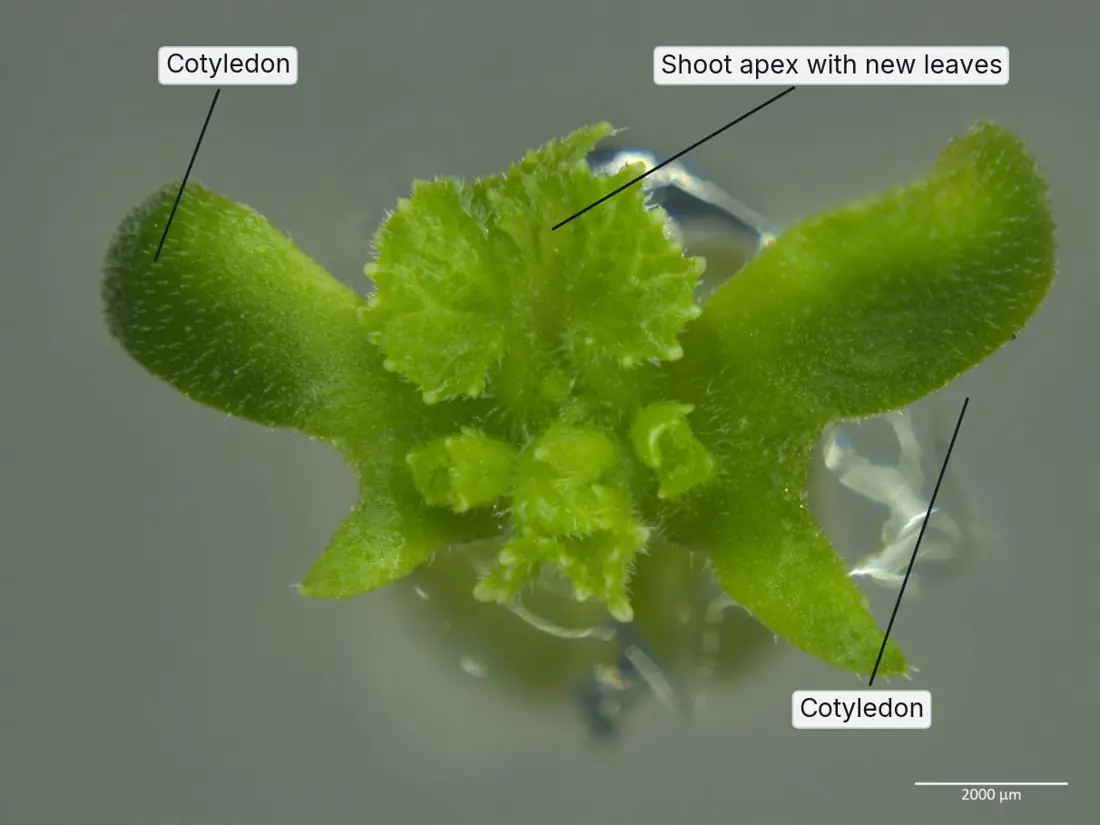
The growth of plant cells, tissues or organs on a sterile, chemically defined nutrient medium under controlled temperature, light and humidity — in vitro, "in glass". It rests on totipotency: the ability of a single living plant cell to divide and regenerate a complete plant.
Totipotency was proposed by Haberlandt (1902) and proved by F. C. Steward (1957), who grew whole carrot plants from single phloem cells in coconut water. The standard medium is MS medium (Murashige and Skoog, 1962): macro- and micronutrient salts, 2–3% sucrose as the carbon source (young cultures barely photosynthesise), vitamins, glycine, 0.8% agar to gel it — and, decisively, the growth regulators auxin and cytokinin, whose ratio steers development (Skoog and Miller 1957, Unit 13): high auxin → roots, high cytokinin → shoots, balanced → an unorganised callus.
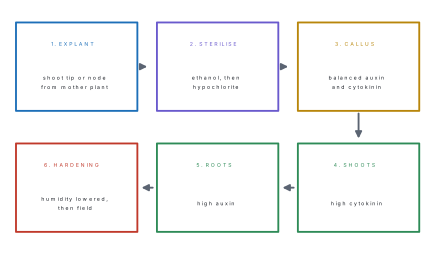
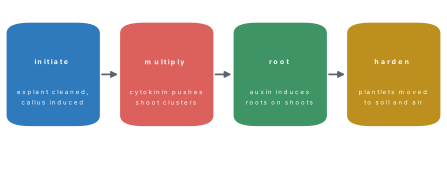
The routine runs in steps, and the paper asks for them in order:
- Explant — a small piece (shoot tip, node, leaf disc, anther) from a healthy mother plant.
- Surface sterilisation — 70% ethanol, then 0.1% mercuric chloride or about 1% sodium hypochlorite, then sterile-water rinses.
- Inoculation — aseptic transfer to medium in a laminar-flow cabinet.
- Callus and multiplication — about 25 °C, 16-hour photoperiod, subculturing every 3–4 weeks.
- Organogenesis — cytokinin-rich medium for shoots, then auxin-rich for roots.
- Hardening (acclimatisation) — plantlets weaned from saturated humidity to greenhouse and field conditions.
Kinds of culture, and what each is for:
| Culture | What is grown | Chief use |
|---|---|---|
| Callus culture | unorganised cells on solid medium | regeneration starting point; somaclonal variation |
| Suspension culture | free cells in shaken liquid | industrial secondary metabolites (alkaloids, dyes) |
| Meristem (shoot-tip) culture | the 0.2–0.5 mm apical dome | virus-free plants — viruses lag behind the growing tip |
| Anther/pollen culture | microspores | haploid plants; colchicine doubling gives instantly homozygous lines |
| Embryo culture | young hybrid embryo | embryo rescue of wide crosses that would abort |
| Protoplast culture | wall-less cells (cellulase + pectinase) | somatic hybridisation, e.g. the potato + tomato "pomato" |
Applications. Micropropagation — thousands of genetically uniform plants of banana, orchid, potato, sugarcane and strawberry from one bud, produced commercially in Kathmandu and Chitwan as elsewhere; virus-free seed potato from meristem culture; haploid breeding shortcuts; production of alkaloids and other secondary metabolites in suspensions; cryopreservation of germplasm in liquid nitrogen at −196 °C; and — crucially — tissue culture is the obligatory final step of every plant genetic-engineering project, when the transformed cell must be grown back into a plant. Its limits: cost, the need for absolute asepsis and skilled hands, batch-destroying contamination, and unwanted somaclonal variation (culture-induced genetic changes — usually a nuisance, occasionally a source of useful new variation).
Problem. One nodal explant of potato is subcultured every 5 weeks and each subculture multiplies the shoots five-fold. (a) How many shoots after 25 weeks? (b) If 10% are lost in hardening, how many plants reach the field?
Solution. (a) 25 / 5 = 5 subcultures:
(b) 3125 \times 0.90 = 2812.5, so about 2812 plants from a single node in just over five months — exponential multiplication no field method can match.
A virus has infected a farmer's entire stock of an elite banana variety, which is propagated only by suckers. Reason out the tissue-culture rescue:
- The shoot apical meristem is virtually virus-free (the virus moves through vascular tissue and lags behind the rapidly dividing tip).
- Excise the meristem tip, surface-sterilise it, and grow it on sterile nutrient medium (e.g. MS medium with auxin/cytokinin balance set for shoot multiplication).
- Root the shoots, harden the plantlets, and test them for the virus — the resulting somaclones are genetically identical to the elite variety but freed of the pathogen.
The same logic explains why meristem culture is used for potato, sugarcane and orchids — and why ordinary cuttings would simply clone the disease.
A mature plant cell placed in culture first dedifferentiates into an unorganised callus, then redifferentiates into shoots/roots depending on the auxin:cytokinin ratio (cytokinin-rich → shoots; auxin-rich → roots) — that inherent capacity is totipotency. Options saying the callus is "organised embryonic tissue" are wrong; organisation appears only after redifferentiation.
Problem. A micropropagation lab multiplies shoots at a rate of five per shoot each cycle and runs four cycles from a single explant. How many plantlets stand at the end? Separately, an anther-culture haploid of a species with 2n = 28 is doubled with colchicine: how many chromosomes does the doubled haploid carry? Solution. Multiplication is geometric: 5⁴ = 5 × 5 × 5 × 5 = 625 plantlets from one explant — the arithmetic behind "a forest from a leaf". The haploid carries n = 28 ÷ 2 = 14 chromosomes; colchicine doubles the set without cell division, giving a fully homozygous line of 28 chromosomes in two generations instead of the six or more that repeated selfing would need.
15.2 Genetic engineering: concept and applications
Genetic engineering (recombinant DNA technology) isolates a gene, joins it to carrier DNA, and delivers it into a host where it replicates and expresses. The toolkit:
- Restriction endonucleases — the molecular scissors. Bacterial enzymes that cut DNA at specific sequences, usually leaving complementary sticky ends.
- DNA ligase — the molecular glue, sealing the sugar–phosphate backbone between joined fragments.
- Vectors — the carriers. A vector needs an origin of replication, unique restriction sites, and a selectable marker (often antibiotic resistance). Typical vectors are bacterial plasmids (the classic pBR322, with ampᴿ and tetᴿ markers), bacteriophages and — for plants — the Ti plasmid of Agrobacterium tumefaciens, nature's own genetic engineer, whose T-DNA it transfers into the plant genome (the cause of crown-gall tumours).
- Hosts — E. coli, yeast, or plant cells.
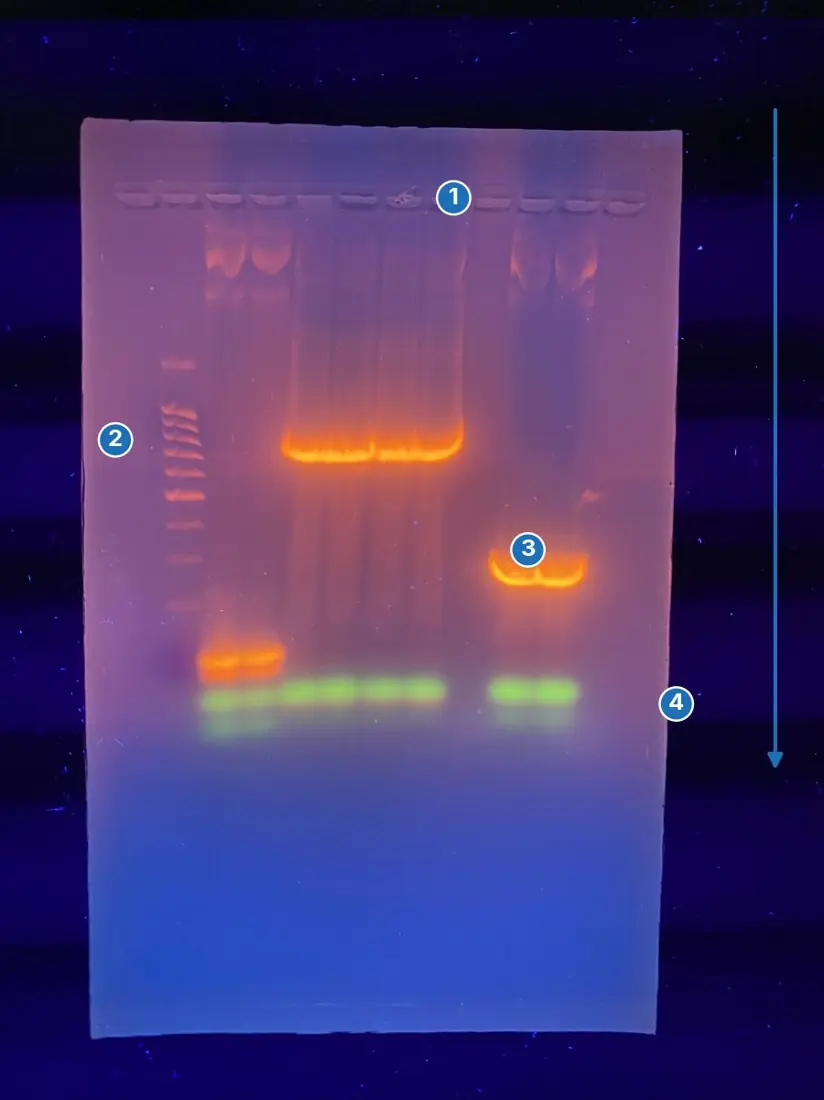
The steps: isolate the gene (or amplify it by PCR) → cut gene and vector with the same restriction enzyme so the sticky ends match → ligate to form recombinant DNA → transfer into the host — CaCl₂ treatment with heat shock or electroporation for bacteria, microinjection for animal cells, the gene gun (biolistics) for monocots, Agrobacterium for most dicots → select the rare transformed cells on the marker (in pBR322, recombinants have lost tetᴿ but keep ampᴿ; modern vectors use blue–white lacZ screening) → grow and exploit the clone. Two supporting techniques are asked by name: PCR (Kary Mullis) — repeated cycles of denaturation (≈94 °C), primer annealing (≈55 °C) and extension at 72 °C by heat-stable Taq polymerase, doubling DNA each cycle — and gel electrophoresis, separating DNA fragments by size in an electric field.
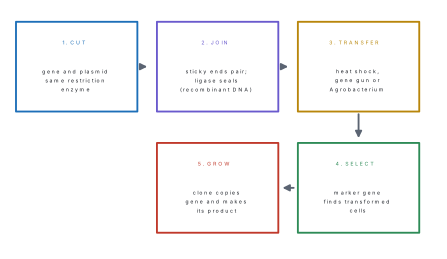
A GMO is an organism whose genome has been deliberately altered by these methods; if the inserted gene comes from another species it is transgenic — not to be confused with a hybrid, which is an ordinary sexual cross. Landmark products:
| GMO | Inserted gene | Result |
|---|---|---|
| E. coli making Humulin (1982) | human insulin genes | cheap, non-allergenic insulin |
| Flavr Savr tomato (1994, first GM food) | antisense polygalacturonase | slow softening, long shelf life |
| Bt cotton / Bt brinjal / Bt maize | cry genes of Bacillus thuringiensis | built-in caterpillar resistance |
| Golden Rice | psy + crtI | grain accumulates β-carotene (provitamin A) |
| Roundup Ready soybean | bacterial EPSPS | glyphosate herbicide tolerance |
Benefits: yield with less pesticide, stress tolerance, longer shelf life, biofortified food, and cheap medicines (insulin, hepatitis B vaccine, growth hormone). Concerns: new allergens, marker-gene spread, gene flow to wild relatives ("superweeds"), non-target insects, erosion of landraces and farmer dependence on patented seed. Nepal signed the Cartagena Protocol on Biosafety framework (National Biosafety Framework 2006; a Supreme Court interim order in 2014 halted GM seed import), and no GM crop is registered for cultivation in Nepal — border seed samples are PCR-tested.
15.3 Biofertilizers, green manures, plant breeding, bio-engineering, food safety and security
Plant breeding
Plant breeding is the directed improvement of crops for yield, quality, resistance and adaptation. A programme runs: collect germplasm (varieties, landraces, wild relatives — the raw variation) → evaluate and select parents → hybridise → select and test the progeny over years and places → release and multiply seed. The methods: introduction (importing a proven variety), selection (mass selection, pure-line selection — Johannsen's progeny of one selfed plant — and clonal selection), hybridisation (intervarietal, interspecific, intergeneric), mutation breeding (gamma rays, EMS) and polyploidy breeding (Unit 09). Crosses harness heterosis (hybrid vigour) — the F₁ outperforming both parents — while continued selfing gives the opposite, inbreeding depression. A single wanted gene (say disease resistance) is usually moved by the backcross method, repeatedly crossing back to the good parent while retaining the gene. Resistance itself may be vertical (one major gene, total but race-specific, liable to break down) or horizontal (many small genes, partial but durable). The Green Revolution — Norman Borlaug's semi-dwarf wheats and IRRI's IR8 rice — stands behind Nepal's own releases such as Sabitri and Khumal-4 rice; its newest heir is biofortification, breeding in iron, zinc and provitamin A.
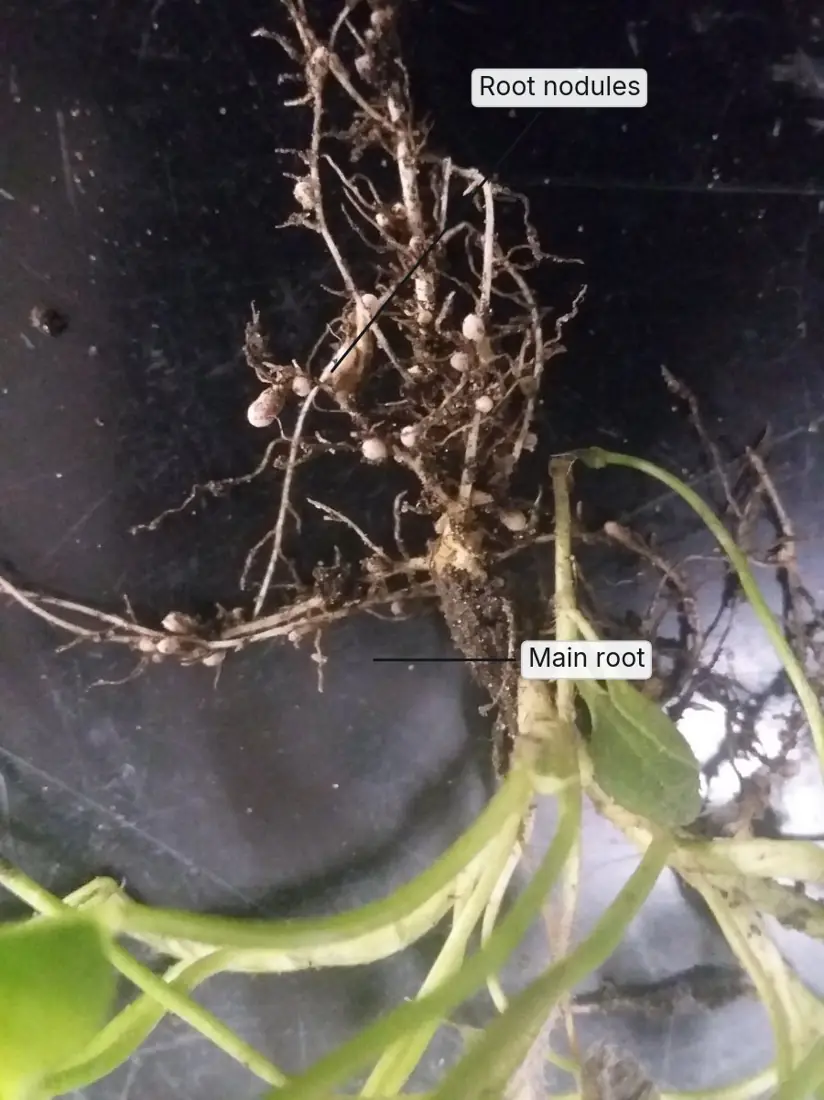
Biofertilizers and green manures
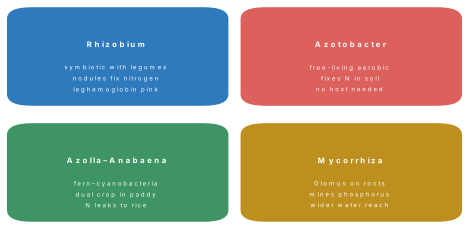
A biofertilizer is a preparation of living microbes that enriches the soil's nutrients:
| Group | Organism | What it does |
|---|---|---|
| Symbiotic N-fixers | Rhizobium (legume nodules); Frankia (in Alnus nepalensis, utis); Anabaena azollae inside the fern Azolla | fix atmospheric N₂ for the plant |
| Free-living/associative | Azotobacter, Clostridium, Azospirillum, free blue-green algae (Nostoc, Aulosira) | fix N₂ in soil and flooded paddy |
| Phosphate solubilisers | Bacillus megaterium, Pseudomonas striata, Aspergillus | release locked-up phosphate |
| Mycorrhiza | VAM fungi such as Glomus | extend the root's reach for phosphorus and water |
A green manure is a fast-growing (usually leguminous) crop — dhaincha (Sesbania), sunhemp (Crotalaria) — grown and ploughed into the soil while still green, donating biologically fixed nitrogen and organic matter to the following rice or wheat crop. The distinction the paper likes: a biofertilizer is living inoculant added in small amount; a green manure is a whole crop sacrificed to the soil.
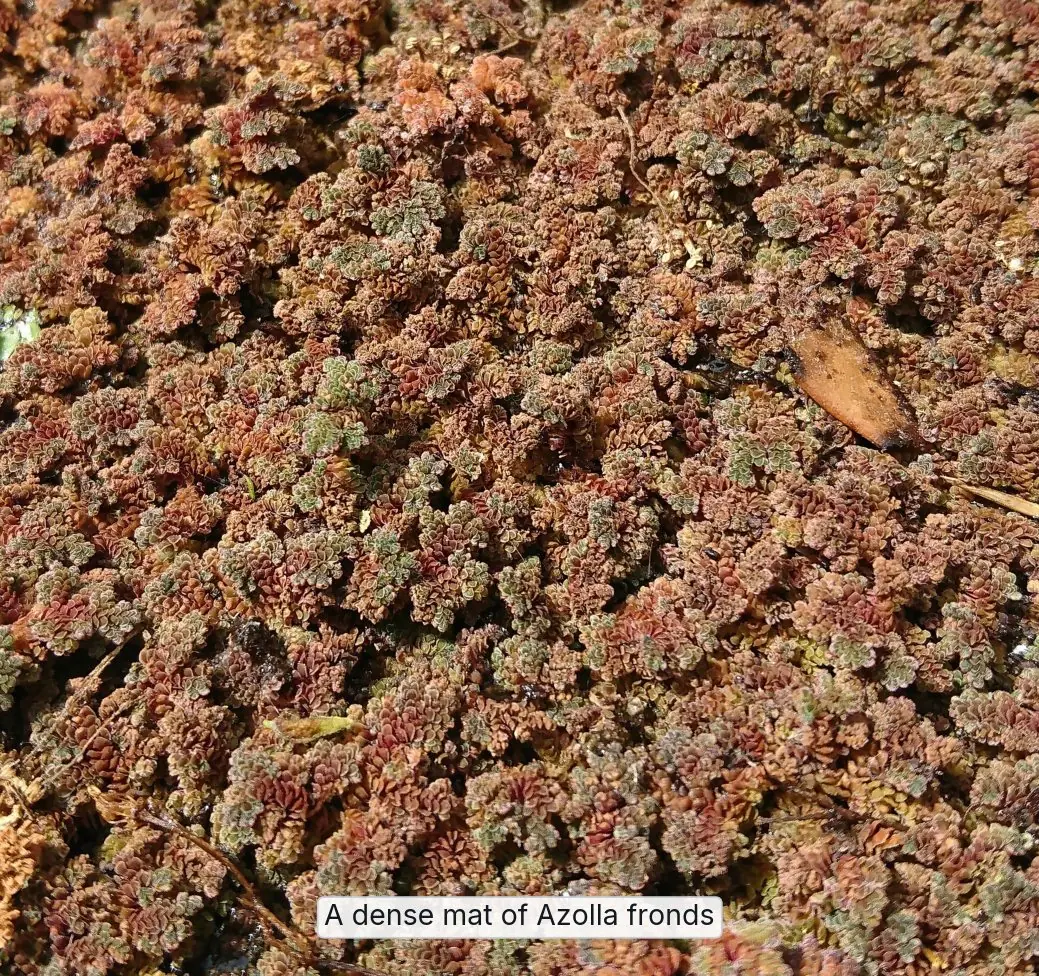
Bio-engineering
Bio-engineering (biochemical engineering) scales biology up: the bioreactor/fermenter — a sterilised, stirred vessel with automatic temperature, pH and oxygen control — produces penicillin, citric acid and enzymes; immobilised enzymes are reused industrially; biogas (about 60% methane from dung, some 450,000 household plants in Nepal since 1992) and liquid biofuels turn biomass into energy; bioremediation deploys microbes such as oil-eating Pseudomonas putida (the "superbug") and phytoremediation uses plants to lift heavy metals from soil; bioleaching bacteria free copper from poor ores; single-cell protein (Spirulina) converts waste into food.
Food safety and food security
Two terms, one mark each, constantly confused. Food safety is about quality: freedom from biological hazards (Salmonella, Vibrio cholerae, and aflatoxin from Aspergillus flavus on damp maize and groundnut), chemical hazards (pesticide residues, heavy metals, adulterants, illegal ripening chemicals) and physical hazards (glass, stones). It is managed by clean production, proper drying and storage, pasteurisation and refrigeration, the HACCP system of monitoring critical control points, and Codex Alimentarius standards — in Nepal enforced under the Food Act by the Department of Food Technology and Quality Control (DFTQC).
Food security (FAO, 1996) is about access: "all people, at all times, have physical, social and economic access to sufficient, safe and nutritious food." Its four pillars are availability, access, utilisation and stability — a country can grow enough (availability) and still have hungry citizens (access). Nepal's Constitution (Article 36) and the Right to Food and Food Sovereignty Act, 2075 (2018) make food a legal right. Biotechnology serves both goals: higher, stabler yields and biofortified crops for security; Bt crops cutting pesticide residues and insect-bored, mould-friendly grain for safety.
Six swaps the paper sets: anther culture gives haploids, not sterile plants — haploids are fertile after doubling; a somatic hybrid (protoplast fusion of two whole genomes) is not a transgenic GM plant (one or few defined genes); green manure is a live crop ploughed in, not a composted heap (that is farmyard manure or compost); the Ti plasmid belongs to Agrobacterium, pBR322 to E. coli; meristem culture is virus-free because the meristem lacks the virus, not because the medium kills it; and Bt toxin is insect-specific, activated only in the alkaline lepidopteran gut — it is not a general poison.
Formula and fact sheet
- Tissue culture: totipotency (Haberlandt 1902, Steward 1957 carrot); MS medium + sucrose + agar; steps explant→sterilise→inoculate→callus→organogenesis→hardening.
- Culture types: meristem = virus-free; anther = haploids (double with colchicine); embryo rescue; protoplast fusion = pomato; suspension = metabolites; cryopreservation −196 °C.
- rDNA tools: restriction enzymes (scissors/sticky ends), ligase (glue), vectors pBR322 and Ti plasmid/T-DNA (Agrobacterium), selectable markers, same-enzyme cutting.
- Transfer: CaCl₂ + heat shock; electroporation; microinjection; gene gun; Agrobacterium. PCR: 94 °C denature, ~55 °C anneal, 72 °C extend (Taq); Kary Mullis.
- GMOs: Humulin 1982; Flavr Savr 1994 (antisense PG); Bt cry crops; Golden Rice β-carotene; transgenic ≠ hybrid; Cartagena Protocol; no GM cultivation registered in Nepal.
- Breeding: collection→evaluation→hybridisation→selection/testing→release; pure line (Johannsen); heterosis vs inbreeding depression; backcross for single genes; vertical (breaks down) vs horizontal (durable) resistance; Borlaug, IR8.
- Biofertilizers: Rhizobium, Frankia, Azolla–Anabaena, Azotobacter, Azospirillum, BGA, PSB, VAM (Glomus) for phosphorus. Green manure: dhaincha/sunhemp ploughed in green.
- Bio-engineering: bioreactor, biogas ~60% CH₄, Pseudomonas superbug, bioleaching (Thiobacillus). Food: safety = hazard-free (HACCP, Codex, DFTQC; aflatoxin); security = availability + access + utilisation + stability (FAO 1996).
Rapid-revision tables and high-yield facts
| Item | Value |
|---|---|
| Totipotency | Haberlandt's concept; Steward's carrot proof |
| MS medium | Murashige & Skoog, 1962 |
| Hormone dial | high cytokinin → shoots; high auxin → roots |
| Virus-free stock | meristem (shoot-tip) culture, Morel & Martin |
| Haploids | anther culture, Guha & Maheshwari (Datura) |
| Somatic hybrid | protoplast fusion (pomato) |
| Scissors and glue | restriction endonuclease; DNA ligase |
| Plant vector | Ti plasmid T-DNA, Agrobacterium tumefaciens |
| First GM food | Flavr Savr tomato, 1994 |
| Recombinant insulin | Humulin, 1982 |
| Bt activation | alkaline insect midgut only |
| Green manure N | sunhemp/dhaincha, ~60–120 kg N ha⁻¹ |
| Green Revolution | Borlaug wheat, Nobel 1970; IR8 rice |
| Seed vault | Svalbard 2008; Nepal gene bank, NARC Khumaltar |
Chapter summary
- Tissue culture milks totipotency on MS medium: sterilised explants pass through callus to shoots (cytokinin) and roots (auxin), then hardening — the engine of micropropagation and the finishing step of all plant genetic engineering.
- Specialised cultures earn their keep: meristems for virus-free stock, anthers for haploids and instant pure lines, rescued embryos for wide crosses, fused protoplasts for somatic hybrids, liquid nitrogen for germplasm.
- Genetic engineering cuts with restriction enzymes, glues with ligase, ferries genes on plasmid or Ti vectors, selects on markers, and amplifies DNA with PCR; its products range from Humulin and Flavr Savr to Bt crops and Golden Rice, under Cartagena-style biosafety rules (and no registered GM cultivation in Nepal).
- Plant breeding improves crops by introduction, selection, hybridisation, mutation and polyploidy — trading variation for uniformity carefully, using backcrosses for single resistance genes and heterosis for yield.
- Biofertilizers inoculate the soil with nitrogen fixers, phosphate solubilisers and mycorrhiza; green manures sacrifice a legume crop to feed the next one.
- Bio-engineering runs biology at industrial scale — fermenters, biogas, bioremediation — while food safety (hazard control: HACCP, DFTQC) and food security (FAO's four pillars of access) frame why all of it matters.
Practice questions
Set A — Recall (25 questions)
- Plant tissue culture is based on the cellular property ofatotipotencybpluripotency of animalscfermentationdhybridisation
- The concept of totipotency of plant cells was proposed byaHaberlandtbSkoogcMurashigedSteward
- The most commonly used nutrient medium for plant tissue culture isaWhite's mediumbMS (Murashige and Skoog) mediumcKnop's solutiondHoagland solution
- The small piece of plant tissue used to initiate a culture is called anainoculum of bacteriabexplantccallusdclone
- The unorganised mass of dividing cells formed in tissue culture is theaprotoplastbsuspensioncmeristemdcallus
- Virus-free plants are best obtained byameristem (shoot-tip) culturebseed culturecleaf culturedroot culture
- Haploid plants can be raised byaembryo culturebprotoplast fusioncgraftingdanther (pollen) culture
- Somatic hybridisation, as in the "pomato", is achieved throughaseed crossingblayeringcanther culturedprotoplast culture and fusion
- Restriction endonucleases are commonly called molecularagluebscissorsccarriersdpumps
- The enzyme that joins cut DNA fragments by sealing the backbone isaDNA ligasebDNA polymerasecnucleasedhelicase
- The classic plasmid cloning vector, with ampᴿ and tetᴿ marker genes, isaλ phagebpBR322cTi plasmid onlydYAC
- The Ti plasmid used as a plant vector comes fromaEscherichia colibBacillus thuringiensiscyeastdAgrobacterium tumefaciens
- The biolistic method of gene transfer is also known as theaheat-shock methodbmicroinjectioncgene gun methoddelectroporation
- The polymerase chain reaction (PCR) was developed byaWatsonbSangercKary MullisdNirenberg
- The first genetically modified food to reach the market was theaBt cottonbGolden RicecRoundup Ready soybeandFlavr Savr tomato
- The insecticidal cry genes of Bt crops were obtained fromaAgrobacteriumbRhizobiumcBacillus thuringiensisdEscherichia coli
- Golden Rice was engineered to accumulate in its grainaβ-carotene (provitamin A)biron onlycinsulindextra starch only
- The symbiotic nitrogen-fixing bacterium of legume root nodules isaAzotobacterbRhizobiumcNitrosomonasdClostridium
- The water fern Azolla, used as a biofertilizer in paddy, hosts the nitrogen-fixing cyanobacteriumaAnabaena azollaebNostoc onlycFrankiadAzospirillum
- Vesicular-arbuscular mycorrhiza (VAM, Glomus) as a biofertilizer mainly improves uptake ofanitrogen gasbcarbon dioxidecphosphorusdoxygen
- Dhaincha (Sesbania) is commonly grown and ploughed into paddy fields as aabio-pesticidebfodder onlycgreen manuredcash crop
- The superiority of an F₁ hybrid over both its parents is calledainbreeding depressionbmutationcapomixisdheterosis
- The "father of the Green Revolution" wasaM. S. SwaminathanbNorman BorlaugcGregor Johann MendeldBarbara McClintock
- The international agreement regulating the safe transfer and use of GMOs is theaKyoto ProtocolbMontreal ProtocolcCartagena Protocol on BiosafetydRamsar Convention
- The four pillars of food security (FAO) are availability, access,aexport and importbutilisation and stabilitycprice and profitdstorage and transport
Answers and explanations — Set A
1. (a) — One living cell can regenerate the whole plant; Steward demonstrated it with carrot in 1957.
2. (a) — Haberlandt proposed it in 1902, decades before technique caught up.
3. (b) — MS medium (1962), its high salt strength suiting most cultures.
4. (b) — The explant is sterilised, then inoculated aseptically onto the medium.
5. (d) — Balanced auxin and cytokinin keep cells dividing without organising.
6. (a) — Viruses spread cell to cell more slowly than the apex grows, so the dome is usually virus-free.
7. (d) — Microspores diverted into embryos give haploids; colchicine doubling follows.
8. (d) — Fusing wall-less protoplasts merges genomes that sex cannot.
9. (b) — They cut at specific sequences, leaving the sticky ends that make joining possible.
10. (a) — Ligase restores the phosphodiester bonds between annealed sticky ends.
11. (b) — Inserting DNA into its tetᴿ gene gives a neat ampˢ/tet selection scheme.
12. (d) — The crown-gall bacterium's Ti plasmid naturally inserts T-DNA into plant chromosomes.
13. (c) — DNA-coated gold or tungsten microprojectiles are shot into cells — vital for monocots.
14. (c) — Kary Mullis (Nobel 1993); Taq polymerase survives the 94 °C denaturation step.
15. (d) — Calgene's 1994 antisense tomato preceded Bt cotton (1996) and Golden Rice (2000s).
16. (c) — The soil bacterium's crystal-protein genes poison caterpillar guts.
17. (a) — Two introduced genes (psy, crtI) complete the carotenoid pathway in the endosperm.
18. (b) — Rhizobium–legume symbiosis is the classic biofertilizer; Nitrosomonas nitrifies instead.
19. (a) — The fern–cyanobacterium partnership has manured Asian paddies for centuries.
20. (c) — The fungal network scours soil volume far beyond the root's own reach for phosphate.
21. (c) — The legume's biomass and fixed nitrogen are buried for the next crop.
22. (d) — Hybrid vigour; its mirror image is inbreeding depression on selfing.
23. (b) — Borlaug's semi-dwarf wheats (Nobel Peace Prize 1970); Swaminathan led India's programme.
24. (c) — The Cartagena Protocol (2000) governs transboundary movement of living modified organisms; Nepal follows it.
25. (b) — Availability, access, utilisation, stability (FAO, World Food Summit 1996).
Set B — Understanding (15 questions)
- Meristem culture can free a plant from viral infection becauseaviruses generally do not invade the rapidly dividing apical domebmeristems produce antibioticscthe culture medium kills virusesdviruses need soil
- Somaclonal variation arising in tissue culture is valuable to breeders because itaremoves all variationbmakes plants sterileccan generate useful new variants to select fromdstops cell division
- The donor gene and the vector are cut with the same restriction enzyme so thatatheir sticky ends are complementary and can annealbthe DNA becomes circularcligase is not neededdboth are destroyed
- A selectable marker gene is included in a vector in order toamake the DNA invisiblebidentify and select the few cells that have taken up the vectorcincrease mutationdcolour the colony blue-green naturally
- The Flavr Savr tomato softens slowly because an antisense gene blocks production ofacellulosebethylene gas itselfcchlorophylldthe wall-softening enzyme polygalacturonase
- A transgenic plant differs from a conventional hybrid in that the transgenic carries a geneafrom its own parents onlybinserted in the laboratory, often from an unrelated organismcwith no DNAdonly in its seeds
- Doubling the chromosomes of an anther-culture haploid is so useful because it instantly gives aatriploid hybridbsterile plantcmutantdcompletely homozygous (pure) line
- A breeder uses repeated backcrossing chiefly toaincrease chromosome numberbmake polyploidsctransfer one desired gene into an otherwise excellent varietydcreate maximum variation
- Vertical (race-specific) disease resistance often "breaks down" in a few years becauseaa new pathogen race evolves that the single gene cannot stopbthe plant forgets the genecfertiliser removes itdrain washes it off
- A biofertilizer differs from a green manure in that a biofertilizer is aachemical fertiliserbsmall inoculum of living microbes, not a whole crop ploughed inctype of compostdpesticide
- Azolla enriches paddy fields with nitrogen becauseaits cyanobacterial partner Anabaena fixes atmospheric nitrogenbit absorbs ureacit kills weedsdits roots reach groundwater
- The HACCP system keeps food safe byatesting only the finished productbmonitoring hazards at critical control points in productioncbanning all additivesdfreezing everything
- A country may produce enough food for all its people and still be food-insecure because food security also requiresaexportsbbig farmscmore factoriesdthat every person can actually access and utilise the food at all times
- Drying grain thoroughly before storage prevents aflatoxin contamination chiefly by stopping growth of the fungusaRhizopusbPenicilliumcSaccharomycesdAspergillus flavus
- Germplasm is cryopreserved in liquid nitrogen at −196 °C because at this temperatureaDNA multipliesbseeds germinatecmetabolism is virtually arrested, giving almost unlimited storagedice improves genes
Answers and explanations — Set B
1. (a) — The dome outgrows viral spread and lacks differentiated vascular connections.
2. (c) — Culture-induced variation occasionally yields disease-resistant or higher-yielding clones (Larkin's somaclones).
3. (a) — Identical cuts leave matching overhangs that base-pair and invite ligase.
4. (b) — Without selection (e.g. antibiotic resistance) the one transformed cell in a million is unfindable.
5. (d) — Antisense RNA silences the softening enzyme, so fruit can vine-ripen yet ship firm.
6. (b) — A bacterial cry gene in cotton makes it transgenic; a maize inbred cross is merely hybrid.
7. (d) — Every locus becomes homozygous in one step, saving years of selfing.
8. (c) — Each backcross halves the donor genome while selection keeps the target gene.
9. (a) — Strong single-gene resistance selects hard for virulent races; horizontal resistance lasts longer.
10. (b) — Grams of carrier-based inoculant versus tonnes of legume biomass.
11. (a) — The fern shelters and feeds the fixer in its leaf cavities; ploughing in releases the nitrogen.
12. (b) — Hazard Analysis and Critical Control Points: prevention designed into the process.
13. (d) — Availability is only one pillar; access, utilisation and stability complete the FAO definition.
14. (d) — A. flavus moulds damp maize and groundnut; its aflatoxins are among the most potent natural carcinogens.
15. (c) — Ultra-low temperature freezes biochemistry in place for germplasm banks.
Set C — Application (10 questions)
- One shoot explant multiplying five-fold at each subculture gives, after five subcultures,a25 shootsb625 shootsc3125 shootsd125 shoots
- A potato farmer in Jumla wants planting material free of the viruses reducing her yield. The laboratory should supply plants raised byameristem culturebanther culturecseed sowingdgrafting
- Cotton badly damaged by bollworm caterpillars can be protected by a variety carrying which transgene?apsybcry1Accantisense PGdEPSPS
- At a border quarantine post, a seed consignment suspected of being GM is best screened byaweighing itbtasting itcmicroscopydPCR testing for transgene sequences
- A callus is transferred to a medium with high auxin and very low cytokinin. It will most likely formashootsbflowerscrootsdseeds
- The "pomato" (potato + tomato) somatic hybrid was produced byacross-pollinationbprotoplast fusioncembryo rescuedmutation breeding
- Which of the following is an example of a biofortified crop aimed at hidden hunger?aBt maizebGolden RicecFlavr Savr tomatodRoundup Ready soybean
- The main combustible component of biogas from a household dung digester isahydrogenbcarbon monoxidecbutanedmethane
- The engineered "superbug" used to clean up oil spills is a strain ofaPseudomonas putidabRhizobiumcAzotobacterdBacillus subtilis
- A breeder needs completely homozygous lines in the shortest possible time. The fastest route isamass selectionbeight generations of selfingcanther culture followed by colchicine doublingdintroduction
Answers and explanations — Set C
1. (c) — 5^5 = 3125 shoots (before hardening losses).
2. (a) — Meristem-tip culture, indexed for viruses, is how clean seed-potato stocks are produced.
3. (b) — The cry1Ac endotoxin gene of Bacillus thuringiensis is the Bt-cotton transgene.
4. (d) — PCR primers for common transgene elements (e.g. CaMV 35S promoter) detect GM presence sensitively.
5. (c) — Skoog–Miller: auxin dominance specifies root organogenesis; cytokinin dominance would give shoots.
6. (b) — Wall-less protoplasts of the two species are fused and the hybrid cell regenerated.
7. (b) — Provitamin-A rice targets vitamin-A deficiency; the others address pests, shelf life or herbicides.
8. (d) — Methanogen digestion yields roughly 60% CH₄, the burnable fraction.
9. (a) — Chakrabarty's multi-plasmid Pseudomonas putida degrades several crude-oil components.
10. (c) — Doubled haploids are homozygous at every locus in a single generation.